Rumonds: Elevating Brand Identity with Modern Blackletter Typography
Finding the perfect typeface for projects that demand a sense of history, luxury, or fantasy is often a frustrating balancing act. Designers and brand strategists frequently encounter a specific dilemma: traditional Gothic fonts can feel too archaic or illegible for modern audiences, while contemporary display fonts often lack the gravitas and ornate detail required for historical or high-end themes. Rumonds emerges as the solution to this typographic conflict. It is a unique blackletter display font that successfully bridges the gap between medieval authenticity and current design sensibilities.
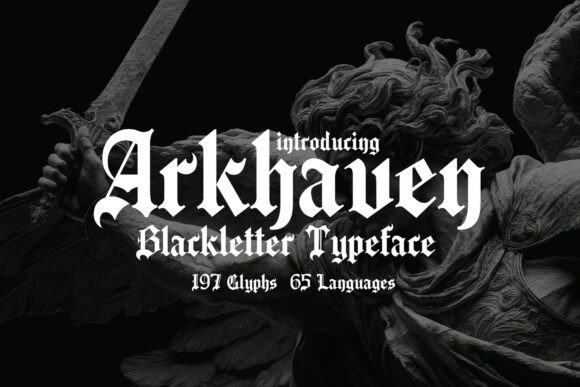
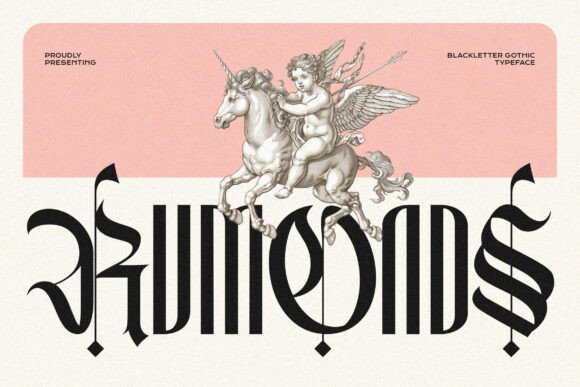
Rumonds is not merely a reproduction of ancient scripts; it is a reimagining of the Gothic aesthetic. Characterized by sharp, pointed serifs and a distinct vertical emphasis, this typeface retains the thick vertical strokes associated with classical blackletter while introducing a cleaner, more structured geometry. The complexity of the letters, featuring numerous embellishments and curved strokes, adds an ornate and elaborate nature that commands attention without sacrificing the readability necessary for effective communication. For creatives seeking to evoke a majestic and ancient vibe while maintaining professional polish, understanding how to implement Rumonds is essential.
Solving the Legibility vs. Atmosphere Challenge
The primary challenge in using historical typography is ensuring the message remains accessible. Many authentic blackletter fonts are so dense with ink and intricate ligatures that they become impenetrable to the untrained eye. This creates a barrier for brands that want to signal heritage but also need to communicate clearly across digital and print platforms.
Rumonds addresses this usability issue through its modern twist on tradition. While it maintains the dramatic contrast and ornamental flourishes expected of the genre, the letterforms have been refined for contemporary consumption. The vertical emphasis helps guide the eye downward, creating a rhythm that aids parsing even at smaller display sizes. When selecting a font for a project involving mythology, classical literature, or luxury goods, the goal is to create an emotional connection rather than a reading test. Rumonds provides the atmospheric density needed to establish a mood instantly, yet its sharpened serifs and balanced proportions ensure that headlines, logos, and short copy remain decipherable.
Practical Applications in Luxury and Fantasy Branding
The versatility of Rumonds makes it particularly valuable for specific industries where visual storytelling is paramount. Its application goes beyond simple aesthetics; it functions as a shorthand for quality, age, and exclusivity.
- Luxury Spirits and Hospitality: For whiskey labels, wine packaging, or boutique hotel signage, Rumonds communicates craftsmanship and legacy. The thick vertical strokes suggest stability and weight, while the embellishments imply artisanal attention to detail. Pairing this font with gold foil stamping or textured paper enhances the tactile perception of value.
- Fantasy and Gaming Interfaces: In the realm of video games, tabletop RPGs, and fantasy novel covers, immersion is key. Standard serif fonts can break the spell of a fictional world. Rumonds offers a "majestic and ancient vibe" that feels native to worlds of magic and lore. Its sharp points and curved strokes mirror the weaponry, architecture, and iconography often found in these genres, creating a cohesive visual language from the title screen to the chapter headers.
- Heritage and Museum Exhibitions: Institutions focusing on history or classical art require typography that respects the subject matter without looking like a caricature. Rumonds serves as an excellent choice for exhibition titles and wayfinding within historical contexts. It acknowledges the past through its blackletter DNA but presents information with the clarity expected by modern museum-goers.
- High-End Editorial and Fashion: For magazines or brands exploring neo-gothic or dark academia trends, Rumonds provides a sophisticated edge. It avoids the cliché of standard horror-movie fonts, offering instead a refined elegance suitable for fashion spreads, album art, and cultural commentary.
Implementation Strategies for Different User Needs
While Rumonds is a powerful tool, its impact depends heavily on how different users approach its implementation. A graphic designer, a self-published author, and a brand manager will all leverage this font differently based on their specific outcomes.
For Graphic Designers and Typographers
Professionals should treat Rumonds as a pure display face. Due to its ornate nature and high stroke contrast, it is rarely suitable for body text. Instead, use it to create hierarchy. Let Rumonds handle the H1s, logotypes, and pull quotes, then pair it with a clean, neutral sans-serif or a simple humanist serif for supporting text. This contrast prevents visual fatigue and allows the intricacies of Rumonds to shine without competing for attention. Consider tracking adjustments; because blackletter is naturally dense, slightly increasing letter spacing in all-caps settings can improve legibility and add a touch of modern airiness to the heavy forms.
For Authors and Content Creators
If you are designing book covers or promotional materials for fantasy or historical fiction, Rumonds can serve as the visual hook for your target audience. However, restraint is vital. Use the font primarily for the title and author name. Avoid using it for taglines or blurbs unless the text is very large. The goal is to signal the genre immediately to potential readers browsing thumbnails online. Ensure that the background color contrasts sufficiently with the thick strokes of the font; light text on a dark background often works exceptionally well with Rumonds, emphasizing its sharp serifs against negative space.
For Brand Strategists
When integrating Rumonds into a brand identity system, consider its role in conveying brand values. If the objective is to emphasize longevity and tradition, use the font in its most ornamental state. If the goal is to suggest a modern reinterpretation of classic values, utilize the font sparingly and perhaps in a single weight to maintain a minimalist overall aesthetic. Test the font across various mediums early in the process. The intricate curves and pointed serifs that look stunning on a high-resolution monitor may require simplification or size adjustments when embroidered on merchandise or printed on small business cards.
Technical Considerations and Best Practices
To maximize the effectiveness of Rumonds, users must be mindful of technical execution. The font’s complexity means it carries significant visual weight. In web design, ensure that loading times are optimized, as ornate display fonts can be larger files. Always provide robust fallback stacks that mimic the vertical stress of Rumonds so the layout does not collapse if the custom font fails to load.
Furthermore, accessibility should never be an afterthought. Because Rumonds is stylized, always verify that text rendered in this font meets WCAG contrast ratios. Avoid using it for critical navigation elements or long-form instructions. Reserve it for decorative headings where the surrounding context makes the meaning clear even if the specific letterform is challenging to parse. By treating Rumonds as an illustrative element as much as a textual one, designers can harness its full potential.
Ultimately, Rumonds succeeds because it understands the dual needs of the modern creator: the desire for historical resonance and the necessity of functional design. Whether applied to a mythical game interface, a luxury product label, or a classical music poster, it provides a distinctive voice that is both rooted in the past and fully present in the now. By respecting its limitations and leveraging its unique blend of sharp geometry and ornate flow, creatives can transform ordinary projects into immersive experiences that resonate deeply with their intended audience.