Elevating Brand Authenticity with Rose Flower: A Display Font for the Modern Era
In the rapidly evolving landscape of digital design and brand communication, typography has transcended its traditional role as a mere vessel for text. Today, typefaces are strategic assets that define user experience, convey emotional intelligence, and establish immediate trust. Among the emerging tools capturing the attention of forward-thinking designers and marketers is Rose Flower, a casual and neat display font designed to bring warmth and clarity to contemporary projects. As audiences become increasingly desensitized to hyper-polished corporate aesthetics, the demand for typefaces that balance professional structure with human approachability has never been higher.
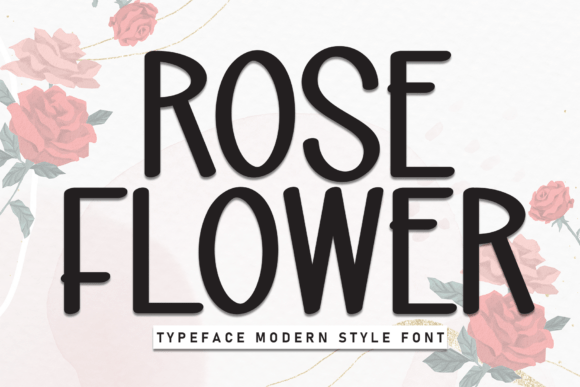
Rose Flower represents a significant shift in typographic trends. It is not merely a stylistic choice but a response to changing consumer expectations. With its clean structure and approachable style, it suits branding, headlines, and everyday designs where authenticity is paramount. The balanced letterforms offer readability and charm, making every message feel genuine and inviting. For professionals, creators, entrepreneurs, and freelancers navigating a saturated market, understanding the utility and context of this typeface is essential for crafting visual identities that resonate on a deeper level.
The Shift Toward Human-Centric Typography
To understand why Rose Flower is gaining traction, one must first examine the broader industry trajectory. For much of the last decade, the dominant trend in digital typography was stark minimalism. While functional, this movement often resulted in brands looking indistinguishable from one another, creating a "sea of sameness" that failed to connect emotionally with consumers. We are now witnessing a correction. The current market favors human-centric design—visual languages that prioritize empathy, accessibility, and warmth without sacrificing legibility or professionalism.
This shift is driven by several converging factors:
- Digital Fatigue: Consumers spend unprecedented amounts of time on screens. Harsh, rigid geometries can contribute to cognitive load, whereas softer, more organic structures like those found in Rose Flower provide visual relief.
- The Authenticity Economy: Modern consumers, particularly Gen Z and Millennials, value transparency and genuineness over perfection. Brands that appear too manufactured are viewed with skepticism. Typography that feels "casual and neat" bridges the gap between corporate reliability and personal connection.
- Mobile-First Consumption: Display fonts were historically reserved for large-format print. Today, they must perform on mobile devices. Rose Flower’s clean structure ensures that its warmth translates effectively even at smaller scales, maintaining clarity across diverse touchpoints.
Defining the Aesthetic: Casual Neatness
Rose Flower occupies a unique niche in the typographic spectrum. It avoids the pitfalls of overly decorative script fonts, which often sacrifice readability for flair, while also steering clear of the sterile nature of strict neo-grotesque sans-serifs. The term "casual and neat" is the defining characteristic here. This duality is what makes it a versatile tool for modern workflows.
Warmth Through Structure
Unlike traditional serif fonts that rely on historical ornamentation to convey warmth, Rose Flower achieves this through proportion and spacing. The balanced letterforms suggest a sense of calm and order. In an era where information overload is a constant challenge, this structural clarity acts as a form of visual hospitality. It invites the reader in rather than demanding their attention. For marketers, this subtle psychological cue can significantly impact engagement rates, transforming passive scrolling into active reading.
Approachability as a Business Asset
For entrepreneurs and small business owners, the barrier to entry for professional branding has lowered, but the standard for quality has risen. Using Rose Flower allows these stakeholders to project competence without appearing intimidating. Whether used for a boutique e-commerce site, a wellness app, or a creative portfolio, the font signals that the brand is accessible. It aligns perfectly with the "friendly expert" archetype that dominates successful content marketing strategies today.
Practical Applications in Modern Workflows
The relevance of Rose Flower extends beyond aesthetic theory; it solves practical problems in current design workflows. As teams adopt agile methodologies and cross-platform consistency becomes non-negotiable, having a typeface that performs reliably across various contexts is invaluable.
Branding and Identity Systems
In identity design, versatility is key. A logo might need to sit next to dense body copy, social media captions, and packaging labels. Rose Flower serves as an excellent anchor for display elements within these systems. Its distinct personality allows it to carry the brand voice in headlines, while its neutrality prevents it from clashing with complementary body text. This reduces the friction often associated with pairing display and text faces, streamlining the design process for freelancers and agency teams alike.
Content Marketing and Social Media
Social media algorithms increasingly favor content that retains user attention. Typography plays a crucial role in stopping the scroll. Because Rose Flower offers high readability combined with charm, it is exceptionally well-suited for:
- Quote Cards and Testimonials: The font’s genuine tone amplifies the perceived sincerity of user-generated content or customer reviews.
- Video Thumbnails and Overlays: Clarity is critical when text is viewed briefly on small screens. The clean structure ensures messages are absorbed instantly.
- Email Marketing Headers: In crowded inboxes, a warm, inviting subject line rendered in a friendly display font can improve open rates by signaling a personal, rather than transactional, communication.
User Interface and Experience Design
While primarily a display font, Rose Flower’s attributes make it relevant for UI components that require emphasis without aggression. Onboarding screens, empty states, and success messages benefit from typography that feels supportive. In lifestyle and wellness technology sectors, where the user's emotional state is a primary design consideration, this typeface helps create interfaces that feel like companions rather than utilities.
Why Creators Are Paying Attention Now
The timing of Rose Flower’s popularity is not accidental. It coincides with a maturation of the creator economy and a reevaluation of digital aesthetics post-pandemic. During periods of global uncertainty, design trends often oscillate between escapism and grounding. Currently, we are seeing a strong preference for grounding—designs that feel stable, real, and optimistic.
Furthermore, the democratization of design tools means that non-designers are making more typographic choices than ever before. Entrepreneurs using website builders and marketers creating ad creatives need fonts that are "safe" yet distinctive. Rose Flower lowers the risk of bad design. Its inherent balance makes it difficult to misuse, providing a guardrail for those who may not have formal typographic training but still need to produce professional-grade visuals.
Integrating Rose Flower into Future-Proof Strategies
Adopting Rose Flower should be viewed as part of a larger strategy to future-proof visual communications. As AI-generated content floods the internet, the premium on human touch will continue to rise. Typefaces that carry the subtle imperfections and warmth of human craftsmanship will serve as differentiators.
However, implementation requires intentionality. To maximize the effectiveness of this typeface, consider the following best practices:
- Mind the Hierarchy: Let Rose Flower breathe. Its charm lies in its proportions, so avoid tight tracking or condensed settings that might compromise its casual elegance.
- Color Psychology Alignment: Pair the font with color palettes that reinforce its warmth. Earth tones, soft pastels, and muted neutrals tend to harmonize better than neon or high-contrast industrial schemes.
- Contextual Awareness: While versatile, assess whether the specific project demands this level of informality. For highly regulated industries like finance or law, it may be best reserved for internal communications or lifestyle-focused campaigns rather than legal disclaimers.
The Intersection of Lifestyle and Commerce
Ultimately, the success of Rose Flower highlights the blurring lines between lifestyle and commerce. Consumers no longer compartmentalize their interactions with brands; they expect commercial experiences to integrate seamlessly into their personal lives. A font that feels like it belongs in a journal, a café menu, or a friend's note is naturally suited for brands that aspire to be part of that daily fabric.
This typographic choice reflects a sophisticated understanding of the modern marketplace. It acknowledges that clarity does not require coldness, and that professionalism does not necessitate rigidity. By choosing Rose Flower, designers and businesses are making a statement about their values. They are prioritizing the human experience behind the screen, recognizing that in a world of infinite digital noise, the most powerful signal is often a quiet, confident, and genuine invitation to connect.
As we move forward, the tools that enable this kind of empathetic communication will become increasingly central to creative and business success. Rose Flower is more than just a collection of glyphs; it is a manifestation of the industry's collective desire to make the digital world feel a little more like home. For those looking to build lasting relationships with their audience, embracing this blend of warmth and clarity is not just a stylistic preference—it is a strategic imperative.