Evaluating Candy Alphabet for Creative Design Projects
Selecting the appropriate typeface is a critical decision in graphic design, as typography communicates tone and personality before a single word is read. For designers seeking to inject playfulness and warmth into their work, Candy Alphabet presents a distinct option. This typeface is characterized by its tall, narrow proportions and whimsical handwritten aesthetic, positioning it as a specialized tool for specific creative contexts. Understanding the functional attributes, ideal use cases, and inherent limitations of Candy Alphabet is essential for determining whether it aligns with current project requirements or if an alternative solution would be more effective.
Defining the Visual Characteristics of Candy Alphabet
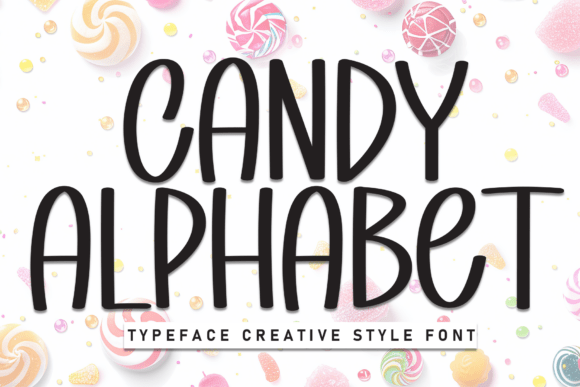
Candy Alphabet is not a neutral utility font; it is a display typeface designed to evoke specific emotional responses. Its primary visual identifier is a vertical compression that results in tall, narrow characters. This structural choice allows for tighter horizontal spacing, which can be advantageous in layout-constrained environments such as packaging labels or social media graphics where vertical space is abundant but width is limited.
Beyond its proportions, the typeface incorporates a handwritten touch that avoids the rigid geometry of digital sans-serifs. The letterforms exhibit slight irregularities and organic curves, mimicking the imperfections of hand-lettering. This quality contributes to a sense of approachability and nostalgia. When evaluating this font, it is important to recognize that these stylistic choices are deliberate constraints. The "sweetness" associated with Candy Alphabet is derived directly from this combination of verticality and organic texture, making it visually distinct from standard rounded or script fonts.
Ideal Applications and Strategic Fit
The efficacy of Candy Alphabet depends heavily on context. It performs best in environments where the primary goal is engagement through friendliness and informality. Designers should consider this typeface a strong candidate for the following applications:
- Product Packaging: Particularly for confectionery, children’s snacks, or artisanal goods where shelf appeal relies on perceived fun and accessibility. The narrow width allows for larger point sizes on small containers without overwhelming the layout.
- Kids’ Content and Education: The legible yet playful nature of the letterforms makes it suitable for early reader materials, classroom signage, and educational apps targeting younger demographics.
- Seasonal and Holiday Branding: The whimsical tone aligns naturally with festive campaigns, party invitations, and seasonal promotions that require a departure from corporate rigidity.
- Logos and Wordmarks: For brands built around joy, creativity, or youth, Candy Alphabet provides immediate character recognition without requiring extensive custom lettering modifications.
In these scenarios, the font serves as a functional asset that reinforces brand messaging. The tall aspect ratio also offers practical benefits in responsive web design for headlines, allowing text to remain impactful on mobile screens where horizontal real estate is scarce.
Tradeoffs and Practical Considerations
While Candy Alphabet excels in niche applications, objective evaluation requires acknowledging its limitations. Display fonts with strong personalities carry inherent tradeoffs that must be weighed against project goals.
Legibility at Small Sizes
The intricate details and narrow forms that define Candy Alphabet can become liabilities when scaled down. At body copy sizes or in low-resolution environments, the handwritten nuances may blur, reducing readability. This typeface is strictly a headline or display solution. If a project requires a cohesive typographic system that extends to long-form text, Candy Alphabet will need to be paired with a highly legible sans-serif or serif companion. Relying on it for paragraphs or dense information blocks will likely result in poor user experience and accessibility issues.
Tone Specificity and Versatility
Candy Alphabet possesses a fixed emotional temperature. It cannot easily adapt to serious, luxurious, or technical contexts. Unlike versatile grotesques or humanist serifs that can shift tone based on weight and spacing, this font always reads as playful. Designers working on brands that span multiple tonal registers may find this limiting. If there is any possibility that the brand voice may need to mature or pivot toward professionalism in the near future, investing in this typeface could necessitate a costly rebrand later.
Licensing and Technical Compatibility
As with any specialty typeface, verifying licensing terms is a mandatory step in the evaluation process. Handwritten-style fonts sometimes have restrictive licenses regarding commercial use, web embedding, or app integration. Additionally, designers should test OpenType features and language support. Some decorative fonts lack comprehensive glyph sets, which can be problematic for multilingual projects or designs requiring special characters. Confirming technical compatibility before purchase prevents workflow disruptions.
Comparing Alternatives and Decision Framework
Determining whether Candy Alphabet is the right choice involves comparing it against adjacent categories. Understanding when to select an alternative is as important as recognizing when to use this specific font.
If the goal is playfulness but legibility is paramount, a rounded sans-serif (such as Quicksand or Varela Round) may offer a safer middle ground. These fonts retain softness and approachability while maintaining the structural integrity needed for broader application across UI elements and body text. They sacrifice some of the unique handmade charm of Candy Alphabet but gain significant functional versatility.
If the objective is a premium or artisanal feel rather than pure fun, a high-quality brush script or textured serif might be more appropriate. Candy Alphabet leans toward youthful exuberance; if the brand positioning is sophisticated nostalgia or luxury craft, the font’s inherent brightness could undermine the desired perception of value.
For projects requiring maximum flexibility, a variable font family with playful alternates may provide the best return on investment. These systems allow designers to dial in personality for headlines while retaining a clean, readable base for supporting content, all within a single license.
Making the Final Selection
The decision to implement Candy Alphabet should be driven by specific project parameters rather than general aesthetic preference. It is a high-impact tool best suited for designs where immediate emotional connection outweighs the need for typographic neutrality. Before finalizing the selection, designers should conduct practical testing: set sample headlines at intended sizes, evaluate pairing options with body text, and assess performance across target devices.
When the brief calls for sweetness, vertical efficiency, and unambiguous joy, Candy Alphabet delivers these qualities effectively. However, successful typography requires matching form to function. By objectively weighing its distinctive charm against its operational constraints, designers can make informed decisions that serve both the creative vision and the end-user experience. Ultimately, Candy Alphabet is a valuable addition to the typographic toolkit when applied with intention and awareness of its specialized role within the broader design ecosystem.