Evaluating the Mother Graduation Font for Creative Projects
Selecting the appropriate typeface is a foundational decision in graphic design, influencing both the aesthetic appeal and functional readability of a project. For designers, crafters, and content creators seeking a script style that balances elegance with approachability, Mother Graduation presents a distinct option. This font is characterized by its soft, unique touch and distinctive strokes, positioning it as a versatile tool for specific creative niches. However, like any specialized typeface, it requires careful evaluation to determine if its stylistic attributes align with project goals. Understanding the practical applications, technical compatibility, and inherent tradeoffs of Mother Graduation allows users to make informed decisions rather than selecting based solely on visual preference.
Defining the Typographic Character
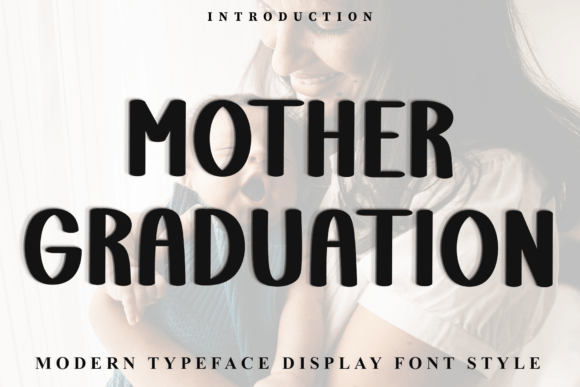
Mother Graduation is classified as a natural-style script font designed to evoke warmth and personal connection. Unlike rigid geometric scripts or highly formal calligraphy, this typeface features organic strokes that mimic hand-lettering while maintaining digital consistency. The "soft touch" mentioned in its description refers to rounded terminals and fluid connections between characters, which reduce visual harshness. This construction gives the font a special character that feels intimate yet polished.
The versatility of Mother Graduation stems from its comprehensive character set. It includes standard alphanumerics alongside various glyphs, ligatures, and alternates. This breadth is essential for designers who need to avoid repetitive letterforms in longer phrases or titles. The natural flow of the font makes it particularly suitable for projects where the typography serves as a primary emotional anchor, such as invitations, branding for artisanal products, or personalized gifts. When evaluating this font, users should view it not merely as a collection of letters, but as a stylistic filter that imparts a specific tone of gentle sophistication to any layout.
Primary Use Cases and Strategic Fit
Determining whether Mother Graduation is the right choice depends heavily on the intended application. Its design strengths are most apparent in contexts that benefit from a humanized, celebratory, or nurturing aesthetic. Designers researching this font will find it performs exceptionally well in the following scenarios:
- Ceremonial Stationery: As the name suggests, the font excels in graduation-related materials, baby showers, weddings, and anniversaries. Its legible script style conveys celebration without sacrificing the formality required for printed keepsakes.
- Product Packaging and Labeling: For brands in the beauty, wellness, children’s apparel, or bakery sectors, Mother Graduation offers a boutique feel. The soft strokes suggest natural ingredients or handmade quality, helping products stand out against competitors using sterile sans-serif typography.
- Social Media Graphics and Overlays: In digital environments where attention spans are short, the distinctive character shapes provide immediate visual interest. The font remains readable at moderate sizes on screens, making it effective for Instagram stories, Pinterest pins, and YouTube thumbnails.
- Crafting and Personalization: Users working with vinyl cutters, embroidery machines, or laser engravers often seek scripts with consistent stroke widths and smooth curves. Mother Graduation’s clean vector paths typically translate well to physical fabrication, reducing weeding time and material waste.
Technical Compatibility and Workflow Integration
A critical factor in font selection is technical interoperability. A beautiful typeface is impractical if it disrupts existing workflows. Mother Graduation is noted for its compatibility with Windows and open-source platforms, which broadens its accessibility beyond the Adobe Creative Cloud ecosystem. This cross-platform support is significant for collaborative teams or hobbyists who may use free alternatives like GIMP, Inkscape, or Canva.
When integrating this font into a design pipeline, users should verify file format availability. Standard formats like OTF (OpenType) and TTF (TrueType) ensure the font works across word processors, design software, and cutting machine software. The inclusion of OpenType features is particularly relevant here; accessing alternates and swashes often requires software that supports these advanced typographic controls. Designers using basic text editors may only access the default character set, potentially limiting the font's expressive range. Therefore, evaluating your current software stack is a necessary step before adoption to ensure you can fully leverage the font’s capabilities.
Tradeoffs and Design Considerations
While Mother Graduation offers distinct advantages, objective evaluation requires acknowledging its limitations. No single typeface is universally appropriate, and understanding where this font falls short is as important as knowing its strengths.
Legibility at Small Sizes
Due to its intricate strokes and natural flow, Mother Graduation may lose clarity when scaled down significantly. Script fonts with fine details can become muddy in small print or low-resolution digital displays. If a project requires extensive body text or fine print disclaimers, this font should be restricted to headlines and accents. Pairing it with a clean, high-x-height sans-serif for supporting text is recommended to maintain overall hierarchy and readability.
Tone Specificity
The soft, feminine, and celebratory nature of the font is a double-edged sword. While perfect for nurturing or joyous themes, it may clash with corporate, industrial, or minimalist aesthetics. Using Mother Graduation in a tech startup pitch deck or a legal document would likely create cognitive dissonance for the audience. Designers must assess whether the emotional resonance of the typeface matches the brand voice or message intent.
Licensing and Usage Rights
Availability on open-source platforms does not automatically imply unrestricted commercial use. Users must rigorously check the specific license agreement accompanying their download. Some versions may be free for personal use only, requiring a separate purchase for client work or merchandise. Verifying licensing prevents future legal complications and ensures ethical usage within professional projects.
Comparing Alternatives
If Mother Graduation does not fully meet specific project criteria, comparing it against alternatives helps clarify requirements. For projects demanding higher formality, traditional copperplate scripts may offer more structured elegance. Conversely, if the goal is modern minimalism, a monoline script might provide better scalability and neutrality. Handwritten brush fonts could serve as an alternative if a more casual, energetic vibe is needed compared to the soft refinement of Mother Graduation.
However, for users specifically targeting the intersection of readability and sentimental warmth, Mother Graduation occupies a valuable middle ground. It avoids the illegibility of overly ornate calligraphy while steering clear of the generic appearance of system-installed scripts. Its value proposition lies in this balance, making it a strong contender for projects where emotional connection drives engagement.
Making the Final Selection Decision
Ultimately, the decision to incorporate Mother Graduation into a design toolkit should be driven by project alignment rather than novelty. Designers and creators should test the font in context before committing. This involves setting actual project copy—not just placeholder text—to evaluate spacing, weight, and mood. Testing across different backgrounds and output mediums (screen vs. print) reveals practical performance issues that spec sheets cannot convey.
If the project demands a typeface that enhances designs with a soft, unique touch while remaining versatile enough for various creative applications, Mother Graduation warrants serious consideration. Its compatibility with diverse platforms and rich character set provide a solid foundation for artistic expression. By weighing its distinctive character against practical constraints and alternative options, users can confidently determine whether this natural font style will effectively serve their audience and elevate their creative work.