Alpha One Font: Aviation-Inspired Design for Creative Projects
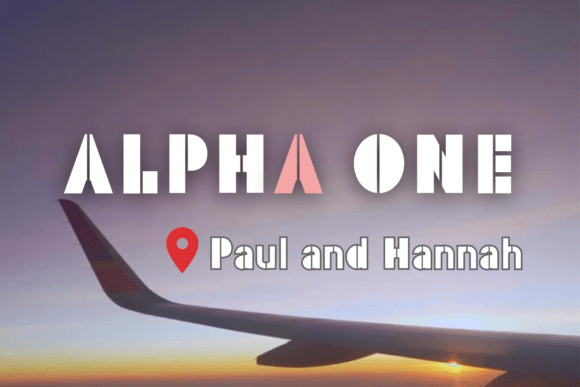
Typography does more than convey words; it sets the emotional temperature of a design before the viewer reads a single sentence. Alpha One captures a specific atmospheric quality inspired by the engineering and aesthetic of airplanes. It is not merely a decorative typeface but a functional tool that communicates strength, flow, and modern precision. When you integrate this font into your workflow, you are leveraging the psychological associations of aviation—speed, reliability, and forward momentum—to elevate your creative output.
The unique shape of Alpha One balances industrial rigidity with aerodynamic curves. This duality makes it exceptionally useful for designers who need to bridge the gap between technical authority and creative flair. Whether you are branding a tech startup, designing a poster for an automotive event, or creating headers for a logistics blog, this typeface provides a distinct visual anchor. It avoids the sterility often associated with geometric sans-serifs while maintaining the legibility required for professional communication.
Translating Aerodynamics into Visual Hierarchy
The core appeal of Alpha One lies in its ability to feel "cool" without sacrificing substance. In design terms, this translates to a typeface that commands attention through form rather than sheer weight. The letterforms mimic the streamlined fuselage of aircraft, suggesting movement even when static. For creators, this means the font performs best when used to establish hierarchy rather than serving as body text.
Consider the negative space within and around the characters. Just as airflow is critical to lift, whitespace is critical to readability. When setting headlines in Alpha One, increase your tracking slightly to allow the unique shapes to breathe. Tight kerning can sometimes obscure the aerodynamic details that give the font its character. By giving each letter room to exist, you enhance the feeling of flow and prevent the design from looking cluttered. This approach is particularly effective for large-format printing, signage, and hero sections on websites where immediate visual impact is necessary.
Strategic Applications Across Industries
Different audiences respond to typographic cues in varied ways. Alpha One’s versatility allows it to adapt to multiple sectors while retaining its core identity. Understanding these nuances helps freelancers and business owners apply the font more effectively.
- Sports and Performance Branding: The inherent sense of speed makes this font ideal for athletic wear, racing teams, or fitness apps. Pair it with high-contrast photography and italicized layouts to amplify the sensation of motion. The strong vertical stems convey stability, reassuring customers of product durability while the curved terminals suggest agility.
- Technology and Innovation: Tech companies often struggle to appear human-centric. Alpha One offers a solution by combining mechanical precision with organic flow. Use it for product names or feature highlights to suggest cutting-edge engineering that remains user-friendly. It works exceptionally well in dark mode interfaces where the letterforms can glow against deep backgrounds, evoking cockpit instrumentation.
- Travel and Logistics: Beyond obvious airline branding, this typeface suits travel agencies, freight companies, and tourism boards. It subconsciously reinforces concepts of safe transit and efficient routing. For editorial content, use Alpha One in pull quotes or section dividers to maintain thematic consistency without overwhelming the reader.
- Creative Portfolios and Personal Branding: For designers and artists, using a distinctive display font signals confidence. Alpha One can serve as the primary identifier in a logo or portfolio header, distinguishing your personal brand from generic minimalist trends. It suggests that you value both aesthetics and structural integrity.
Pairing and Layout Considerations
A display font with such a strong personality requires careful partnership. Alpha One should rarely stand alone in a layout; it needs a supporting typeface to handle the heavy lifting of information delivery. The goal is contrast, not competition.
For body copy, opt for neutral, highly legible sans-serifs like Inter, Roboto, or Helvetica Now. These fonts recede visually, allowing Alpha One to take center stage without creating visual friction. Avoid pairing it with other condensed or geometrically complex display fonts, as this creates noise and reduces comprehension. If your project demands a secondary display font for subheaders, choose a simple serif or a monospaced typeface to introduce texture difference. Monospace fonts, in particular, complement Alpha One’s aviation theme by referencing technical data and flight manifests, adding a layer of narrative depth to the design.
Color selection also plays a pivotal role in how this font is perceived. While it works beautifully in stark black and white, introducing metallic gradients or matte finishes can enhance the industrial inspiration. However, exercise restraint. The complexity of the letterforms means that overly busy textures or low-contrast color combinations can degrade legibility. Always test your color choices at various sizes to ensure the unique shapes remain distinct and accessible.
Maintaining Clarity in Creative Execution
Inspiration must always serve function. The most common mistake when using stylized fonts like Alpha One is prioritizing novelty over clarity. To keep your results effective and audience-friendly, adhere to practical guidelines regarding scale and context.
Reserve Alpha One for short bursts of text. Headlines, logos, captions, and call-to-action buttons are appropriate venues. Long paragraphs set in this typeface will fatigue readers and dilute the font’s impact. Think of it as a spice rather than a main ingredient. Additionally, consider accessibility standards. Ensure that the contrast ratio meets WCAG guidelines, especially since some aerodynamic letterforms may have thinner strokes that disappear on low-resolution screens or poor-quality prints.
Consistency is equally important. Establish clear rules for when and how Alpha One appears in your project. If you use it for H1 tags, do not suddenly switch to it for bullet points or footer links. A disciplined approach ensures that the font retains its power throughout the user experience. Document these usage rules in your brand guidelines or style sheet to maintain coherence across different team members and platforms.
Evolving Your Design Practice
Working with thematic typefaces like Alpha One encourages a deeper understanding of semantic design. It pushes you to think about how form influences meaning and how visual metaphors can strengthen communication. Rather than viewing fonts as mere containers for text, start treating them as active participants in your storytelling.
Experiment with scaling and cropping. Sometimes, showing only a portion of a word in Alpha One can create an intriguing abstract graphic element that reinforces the aviation theme without being literal. Explore how the font interacts with other visual assets like icons, illustrations, and photography. Does the curve of a letter echo the line of a building? Does the weight of the stroke match the boldness of a product shot? These connections transform isolated design elements into a cohesive system.
Ultimately, Alpha One is a catalyst for intentional creativity. It challenges you to move beyond safe choices and explore designs that feel dynamic and purposeful. By respecting its origins while adapting it to modern contexts, you can create work that feels both timeless and contemporary. Whether you are a seasoned art director or a small business owner managing your own marketing, this typeface offers a reliable pathway to visuals that resonate with strength, flow, and originality. Use it not just to decorate, but to communicate with the precision and confidence of the engineering that inspired it.