Cat Font: A Practical Guide to Using Feline Typography Effectively
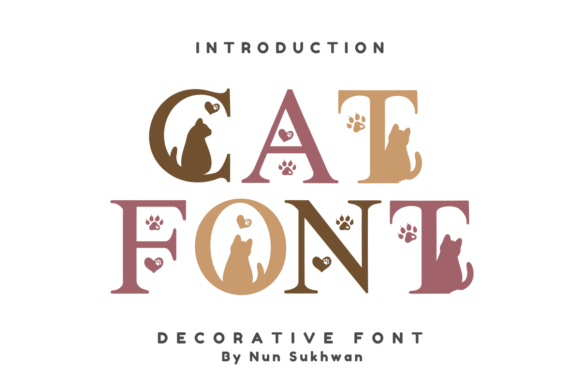
Cat Font is a distinctive feline decorative typeface that brings immediate personality to creative projects. Its stylized letterforms, often incorporating whiskers, tails, or paw-like curves, make it an instant favorite for pet lovers and niche designers. However, the charm of this typography can quickly turn into a usability nightmare if applied without strategic consideration. Many creators download Cat Font with excitement, only to find their final designs difficult to read or unprofessional in execution. Understanding the specific limitations and best applications of this decorative style is essential for transforming novelty into effective visual communication.
Recognizing Readability Limitations in Decorative Type
The most frequent mistake when working with Cat Font is treating it as a primary text face rather than an accent element. Because the letterforms are illustrative, they inherently sacrifice legibility for aesthetic appeal. When used for long-form content like diary entries, extensive notes, or article body text, the intricate details create visual noise that fatigues the reader. The eye struggles to recognize word shapes quickly, turning what should be a smooth reading experience into a decoding task.
To avoid this, restrict Cat Font to short bursts of text where impact matters more than speed of comprehension. It excels in headlines, logos, single-word stickers, or brief greeting card sentiments. If you are designing stationery or social media graphics, pair this feline typeface with a clean sans-serif or simple serif font for all supporting information. This contrast ensures your message remains accessible while still benefiting from the playful character of the decorative header. Never force readability where none exists; let the font do what it does best—grab attention briefly and memorably.
Navigating Licensing for Commercial and Personal Use
A critical oversight occurs when users assume that because a font is free to download or aesthetically cute, it is also free for commercial application. Cat Font variants found on various repositories often carry restrictive licenses intended solely for personal practice. Using such a version for client work, merchandise like mugs and shirts, or monetized social media content can lead to legal complications and unexpected costs later.
Before integrating this typography into any business asset, verify the specific End User License Agreement (EULA). Look for clear terms regarding:
- Commercial Usage Rights: Explicit permission to use the font in products sold for profit or marketing materials.
- Desktop vs. Web Licenses: Some licenses cover print design but require separate fees for embedding in websites or apps.
- Merchandise Limits: Certain licenses cap the number of physical units you can produce using the font before requiring an upgrade.
- Modification Permissions: Whether you are allowed to alter the glyphs to better fit your specific branding needs.
Investing in a proper commercial license upfront is far more cost-effective than redesigning a product line after receiving a cease-and-desist notice. Treat typography licensing with the same seriousness as stock photography rights.
Technical Considerations for Print and Digital Media
Decorative fonts like Cat Font often contain complex vector paths that behave differently across platforms. A common frustration arises when designers create beautiful mockups on screen, only to discover that the fine details disappear or pixelate during printing or web rendering. Intricate whiskers and thin tail strokes may be too delicate for certain production methods, resulting in broken lines or ink bleed that ruins the intended effect.
For physical products like apparel or ceramic mugs, always test the font at actual size before committing to bulk production. Screen resolution masks fragility; a stroke that looks crisp at 72 PPI on a monitor may vanish entirely when screen-printed on fabric. In digital contexts, ensure you have access to web-optimized versions of the font files. Heavy decorative fonts can slow down page load times significantly, negatively impacting both user experience and SEO performance. If the file size is prohibitive, consider converting headline text to SVG images or outlined vectors to preserve quality without burdening site performance.
Avoiding Stylistic Clashes in Brand Design
While Cat Font is versatile within its niche, applying it indiscriminately across unrelated design elements creates visual dissonance. A frequent error is mixing this highly thematic typeface with other ornate or novelty fonts. When multiple decorative styles compete, the result feels chaotic and amateurish rather than cohesive. The personality of a feline-inspired font is strong enough to stand alone; it does not need reinforcement from other quirky elements.
Instead, anchor Cat Font with neutral, structured typography. A geometric sans-serif provides modern balance, while a classic serif adds traditional warmth. This approach allows the feline characteristics to shine as a deliberate focal point rather than getting lost in visual clutter. Additionally, consider the emotional tone of your project. Not every cat-related design benefits from the same stylistic interpretation. Ensure the specific variant of Cat Font you choose aligns with your brand voice—whether that is elegant, cartoonish, vintage, or minimalist. Mismatched tone undermines credibility even if the technical execution is flawless.
Evaluating Quality Before Commitment
Not all versions of Cat Font are created equal. Low-quality releases often suffer from inconsistent spacing, missing characters, or poorly drawn curves that become obvious upon closer inspection. Before purchasing or downloading, examine the font’s specimen sheet critically. Check for kerning pairs that prevent awkward gaps between letters, verify that special characters and punctuation match the decorative style, and look for alternate glyphs that provide flexibility in layout.
High-quality decorative fonts include thoughtful extras like ligatures, swashes, or contextual alternates that enhance natural flow. These features distinguish professional-grade typography from hastily assembled novelties. Testing the font with actual project copy—not just placeholder text—reveals practical issues that specimen sheets might hide. Type out real phrases you intend to use, adjust tracking and leading, and assess whether the font maintains its charm at various sizes. This hands-on evaluation prevents disappointment and ensures your investment supports rather than hinders your creative goals.
Ultimately, Cat Font offers wonderful opportunities for expression when respected as a specialized tool. By acknowledging its constraints, securing appropriate rights, verifying technical suitability, and pairing it thoughtfully, you transform potential pitfalls into polished, engaging designs. Success lies not in avoiding decorative typography, but in wielding it with intention and informed judgment.