Wedding Luxury: Elevating Event Design with Elegant Typography
In the world of high-end event planning and bespoke stationery design, typography serves as the visual voice of the celebration. It is often the first tangible element a guest encounters, setting expectations for the atmosphere, formality, and aesthetic of the occasion. Among the myriad of typefaces available to designers and couples, Wedding Luxury has emerged as a definitive choice for those seeking to convey romance and sophistication. This decorative typeface is not merely a collection of letterforms; it is a comprehensive design tool crafted specifically for luxury weddings and special celebrations.
Understanding the nuances of this font family requires looking beyond its surface beauty. While it is undeniably stunning, its true value lies in its functionality within a broader design system. For professionals and individuals alike, mastering the application of Wedding Luxury can transform standard printed materials into heirloom-quality artifacts that resonate with timeless elegance.
The Anatomy of Romantic Elegance
To fully appreciate the utility of Wedding Luxury, one must understand its construction. Unlike standard serif or sans-serif fonts designed for maximum legibility at small sizes, this typeface belongs to the category of display typography. It is engineered to be seen, admired, and felt. The design language incorporates graceful calligraphy that mimics the fluid motion of hand-lettering, yet maintains the consistency required for professional printing.
A defining characteristic of this font is its integration of stylistic alternates and ornamental details. Where a basic script might offer only lowercase and uppercase glyphs, Wedding Luxury includes:
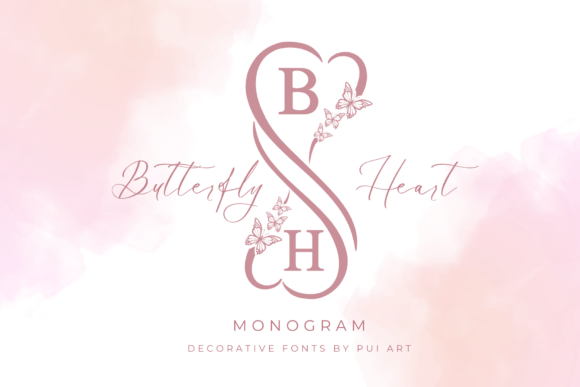
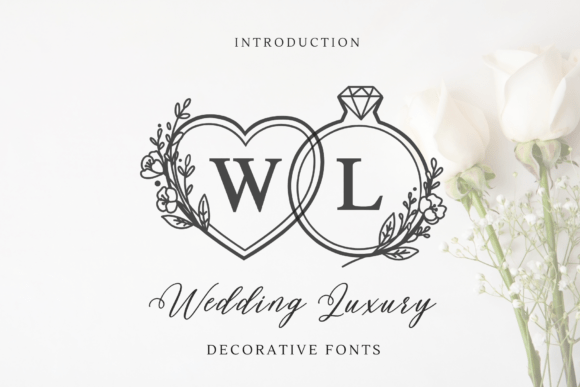
- Stylish Monograms: Pre-designed interlocking letters that serve as instant branding elements for napkins, dance floors, and wax seals.
- Floral Details: Botanical swashes and flourishes that frame text naturally, reducing the need for separate illustration assets.
- Graceful Calligraphy: Connecting strokes that vary in weight, creating a rhythm that guides the eye across the page without feeling mechanical.
- Contextual Alternates: Glyph variations that adjust automatically based on letter placement, ensuring that no two identical characters look exactly the same when placed side-by-side.
These features collectively create a texture that feels organic and expensive. For the designer, this means less time manually adjusting kerning and swapping glyphs, and more time focusing on layout and composition.
Strategic Applications in Wedding Stationery
The versatility of Wedding Luxury extends across the entire timeline of wedding communications. However, its impact varies depending on the specific medium. Understanding where this font performs best ensures that the final product remains readable while maintaining its luxurious appeal.
Invitations and Save-the-Dates
This is the primary habitat for Wedding Luxury. On an invitation suite, the font acts as the anchor. It is most effective when used for the names of the couple and the header information. Because the font carries significant visual weight due to its swashes and intricate details, it pairs exceptionally well with minimalist supporting text. A common mistake is using a heavy decorative font for all information; instead, use Wedding Luxury for the emotional hooks and a clean, lightweight serif or sans-serif for the logistical data like dates, times, and addresses.
Menus and Table Signage
Dining experiences are tactile. Menus printed on textured cardstock benefit from the romantic nature of this typeface. Here, readability becomes paramount. While the capital letters and monograms work beautifully for course headers (e.g., "First Course," "Dessert"), the body text describing the dishes should generally remain in a complementary, simpler font. Wedding Luxury can be utilized effectively for dish names if the spacing is generous, but overcrowding menu items with elaborate calligraphy can frustrate guests trying to make dining choices in dim lighting.
Environmental Branding and Large Format
Beyond paper, this font translates remarkably well to large-scale applications. Welcome signs, seating charts, and bar menus require typefaces that retain their integrity when scaled up. The stroke contrast in Wedding Luxury prevents the letters from becoming spindly or fragile at larger sizes. Furthermore, the included floral details can be isolated and used as standalone graphic elements on acrylic signage or neon backdrops, creating a cohesive visual thread that connects the paper goods to the physical venue.
Evaluating Suitability for Your Project
While Wedding Luxury is a powerful asset, it is not a universal solution. Determining whether it aligns with a specific project involves assessing several practical factors. Professionals and DIY creators should consider the following before committing to this typeface.
- Venue Formality: This font screams black-tie, garden party, or historic estate. It may feel out of place at an industrial warehouse wedding or a casual beach bonfire unless intentionally juxtaposed against raw textures.
- Printing Method: Intricate calligraphy shines in letterpress and foil stamping, where the physical impression adds depth. However, for digital printing, ensure the resolution is high enough to capture the fine hairlines of the swashes. Thin lines can sometimes break or pixelate in low-quality print runs.
- Readability Requirements: If the primary goal is conveying dense information quickly (such as a detailed itinerary or transportation map), this font should be relegated to titles only. Accessibility matters in luxury design; elegance should never come at the cost of comprehension.
- Licensing and Usage: Always verify the license terms. Some decorative fonts have restrictions on commercial use, web embedding, or the number of impressions. Ensuring compliance protects both the designer and the client.
Pairing and Composition Best Practices
The success of Wedding Luxury relies heavily on what surrounds it. Typography is relational; a decorative font needs a supportive partner to function correctly. When building a typographic hierarchy, consider these pairing strategies:
Contrast is Key: Pair Wedding Luxury with a geometric sans-serif for a modern-luxe aesthetic, or a traditional old-style serif for a classic, heritage feel. Avoid pairing it with other script fonts, as competing calligraphic styles create visual noise and confusion.
Whitespace is Luxury: In high-end design, empty space is as important as ink. Allow the swashes and flourishes of Wedding Luxury to breathe. Cramping this font against margins or other text blocks negates its graceful nature. Generous leading (line spacing) and tracking (letter spacing) in the supporting text will make the decorative elements pop without overwhelming the viewer.
Hierarchy Management: Establish a clear order of operations. The font should typically occupy the top tier of the visual hierarchy. Use size, color, and placement to distinguish it from secondary information. For example, the couple’s names in Wedding Luxury might be 48pt gold foil, while the date is 14pt charcoal grey in a simple serif. This contrast guides the reader’s eye intuitively through the content.
Technical Considerations for Digital and Print
For creators working across multiple platforms, technical execution is just as important as aesthetic selection. When using Wedding Luxury in digital formats, such as wedding websites or e-invites, test extensively across devices. Elaborate swashes can sometimes get clipped on mobile screens or interfere with touch targets. Responsive CSS adjustments may be necessary to scale the font appropriately for smaller viewports.
In print production, communication with the vendor is essential. If utilizing the font's ornamental extras, ask about bleed requirements and safe zones. Foil dies require specific line thicknesses; if the hairlines in Wedding Luxury are too fine for the chosen foil process, the printer may recommend a slightly heavier weight or a modification to the artwork. Proactive collaboration prevents costly reprints and ensures the final product matches the digital proof.
The Value of Timeless Design
Trends in wedding design cycle rapidly, but the desire for beauty and meaning endures. Wedding Luxury occupies a unique space where contemporary craftsmanship meets historical inspiration. It avoids the pitfalls of overly trendy novelty fonts that may look dated in photographs ten years from now. Instead, it draws upon centuries of calligraphic tradition, refining them for modern sensibilities.
For business owners and stationers, offering designs featuring this typeface signals an understanding of quality and attention to detail. It attracts clients who value artistry and are willing to invest in superior aesthetics. For couples, choosing this font is an act of curation, selecting a visual language that honors the significance of their union.
Ultimately, the power of Wedding Luxury lies in its ability to evoke emotion through form. It transforms words into experiences, turning a simple notification of marriage into a promise of beauty. Whether applied to a velvet-bound invitation, a towering welcome sign, or a delicate menu card, it provides the finishing touch that distinguishes a memorable celebration from an ordinary event. By respecting its characteristics, understanding its limitations, and applying it with intention, designers and hosts can harness this typeface to create moments of genuine, lasting sophistication.