Warning Alphabet: Elevating Design with Elegant Handwritten Script
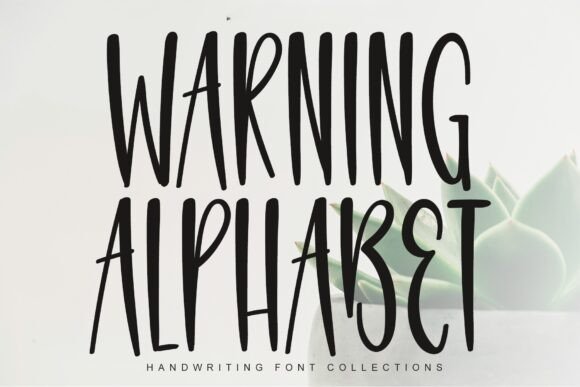
Despite its somewhat urgent name, Warning Alphabet is anything but alarming. In fact, it is a magical handwritten font carefully created to give a touch of elegance to your designs. The juxtaposition between the name and the aesthetic is part of its charm; where you might expect harsh, industrial lettering, you instead find fluid, expressive strokes that mimic the nuance of human handwriting. Whether you are looking for fonts for Instagram or calligraphy scripts for DIY projects, this typeface serves as a versatile tool that can turn any creative idea into a true piece of art.
For designers and creators aged twenty to fifty, the search for the perfect script often involves sifting through hundreds of options that feel either too rigid or too messy. Warning Alphabet strikes a specific balance. It retains the organic imperfections of pen-on-paper while maintaining enough structural integrity to remain legible across various mediums. Understanding how to leverage this specific typographic voice requires looking beyond its visual appeal and examining its practical application in real-world scenarios.
Transforming Social Media Aesthetics
In the crowded landscape of Instagram and Pinterest, typography acts as a visual hook. Users scroll quickly, and text needs to convey emotion instantly. Warning Alphabet excels here because it carries an inherent sense of intimacy. When used for quote overlays, story highlights, or carousel headers, it signals to the viewer that the content is personal and curated rather than mass-produced.
Consider a lifestyle influencer sharing a morning routine or a mental health advocate posting an affirmation. Using a standard sans-serif font can sometimes make these messages feel clinical. By applying Warning Alphabet, the text adopts the texture of a handwritten note from a friend. This psychological shift increases engagement because the audience perceives the content as authentic. However, restraint is key on social platforms. This font works best when paired with ample negative space. Cluttering a small mobile screen with dense paragraphs of script will reduce readability. Use it for headlines, key phrases, or signatures, and pair it with a clean, simple body font to ensure your message lands effectively.
The Tactile Appeal in DIY and Physical Crafts
Digital design is only half the story. For the maker community, Warning Alphabet bridges the gap between digital planning and physical execution. Its structure mimics natural hand movement, making it an ideal reference for those learning modern calligraphy or creating custom vinyl decals. Because the letterforms flow logically, they serve as excellent practice material for improving muscle memory in analog lettering.
Beyond practice, this font is a staple for personalized gifting and event stationery. Imagine designing a wedding invitation suite where the couple’s names need to stand out against minimalist typography. Warning Alphabet provides that necessary focal point without feeling outdated or overly ornate. Similarly, for small business owners creating product packaging, using this script on thank-you cards or box labels adds a premium, artisanal feel. It suggests that a human being was involved in the process, which significantly boosts perceived value in handmade markets like Etsy or local craft fairs.
Practical Applications Across Industries
The versatility of Warning Alphabet extends into professional branding and commercial use cases where approachability is a priority. Different sectors benefit from its unique characteristics in distinct ways:
- Boutique Retail and Fashion: Clothing tags, sale announcements, and lookbook titles benefit from the font’s chic, editorial quality. It softens the commercial aspect of selling, making the brand feel more like a curator of style.
- Wellness and Coaching: Therapists, yoga instructors, and life coaches rely on trust. Marketing materials featuring this script subconsciously communicate empathy and gentleness, aligning perfectly with services centered on personal growth and care.
- Culinary and Hospitality: Menu specials, chalkboard designs, and wine labels often utilize script to denote freshness or tradition. Warning Alphabet avoids the cliché of "rustic" farmhouse fonts, offering a more contemporary sophistication suitable for modern cafes and bistros.
- Education and Childcare: While primarily elegant, the font’s clarity makes it appropriate for certificates, classroom decor, or communication with parents. It feels warm and welcoming without being childish.
Navigating Legibility and Hierarchy
While Warning Alphabet is undeniably beautiful, successful implementation requires respecting its limitations. Script fonts inherently sacrifice some legibility for style, and this typeface is no exception. Before committing to it for a project, consider the viewing distance and the amount of text required.
A common mistake is using decorative scripts for essential information like dates, times, URLs, or long blocks of explanatory text. If a user has to squint to read the venue address on a flyer or struggle to parse a caption on a video, the design has failed regardless of how pretty the letters are. Reserve Warning Alphabet for display purposes—titles, names, short slogans, and accents. Always test your design at actual size before finalizing. What looks readable on a 27-inch monitor may become illegible when printed on a business card or viewed on a smartphone screen.
Pairing is another critical consideration. Because Warning Alphabet has such a strong personality, it demands a supportive partner. High-contrast pairings work best. A geometric sans-serif or a classic serif provides stability and allows the script to shine without competing for attention. Avoid pairing it with other decorative fonts, as this creates visual noise and confuses the hierarchy.
Technical Considerations for Smooth Workflow
When integrating Warning Alphabet into your toolkit, technical compatibility matters just as much as aesthetics. Ensure you have access to OpenType features if available. Many high-quality handwritten fonts include alternate characters, swashes, and ligatures that prevent repetitive letterforms from looking artificial. Accessing these glyphs allows you to customize the flow of words, making the digital text appear even more authentically handwritten.
Additionally, consider licensing requirements early in your selection process. If you plan to use the font for client work, merchandise for sale, or embedded web fonts, verify that your license covers commercial use. Personal licenses are often cheaper but restrictive. Investing in the correct commercial license upfront protects your work and supports the type designer, ensuring that resources like Warning Alphabet continue to be developed and maintained.
File format compatibility also plays a role in workflow efficiency. While OTF and TTF files are standard for desktop publishing, SVG formats are superior for Cricut and Silhouette users, as they maintain smooth curves when scaled for cutting. Web designers should look for WOFF2 versions to ensure fast loading times without sacrificing rendering quality. Having the right file type for your specific medium prevents frustration during the production phase and ensures the final output matches your creative vision.
Making the Final Selection
Choosing a typeface is ultimately about alignment with intent. Warning Alphabet is not a universal solution for every design problem, nor should it be. It is a specialized instrument for moments requiring grace, humanity, and artistic flair. When you identify a project where the goal is to connect emotionally, to soften a corporate edge, or to add a layer of bespoke craftsmanship, this font becomes an invaluable asset.
Test it in context. Mock up the Instagram post, print the invitation prototype, or view the website header on multiple devices. Observe how the letterforms interact with images, colors, and surrounding whitespace. Does it enhance the mood you are trying to create? Does it guide the eye naturally? If the answer is yes, then Warning Alphabet has successfully transitioned from a digital file to a functional element of your creative expression. By treating typography as a deliberate design choice rather than an afterthought, you unlock the full potential of tools like this, turning ordinary layouts into memorable experiences for your audience.