Storied Alphabet: Elevating Design with Handwritten Elegance and Playful Boldness
Choosing the right typeface is often the difference between a design that feels amateurish and one that communicates professional warmth. Storied Alphabet has emerged as a significant contender in this space because it successfully bridges two typically opposing aesthetic worlds: the organic intimacy of handwritten strokes and the confident structure of bold display typography. For creators, marketers, and small business owners, this font offers a unique solution for projects requiring personality without sacrificing legibility. However, its distinctive character means it requires a more thoughtful application than standard sans-serif or serif fonts. Understanding how to leverage its smooth curves and artistic flair is essential to avoiding common design pitfalls that can undermine your message.
Understanding the Dual Nature of Storied Alphabet
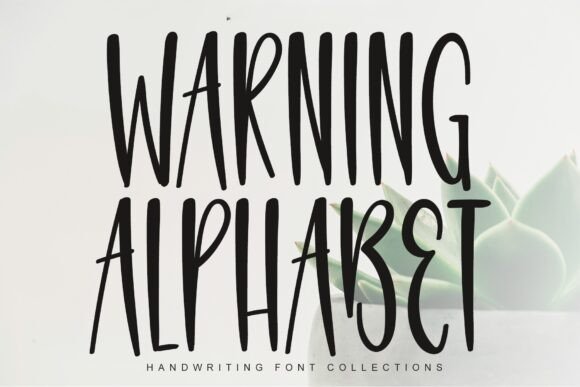
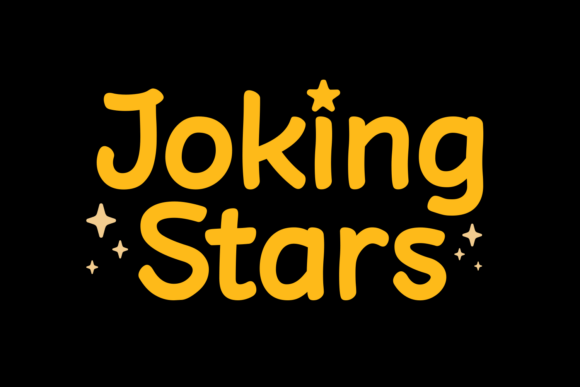
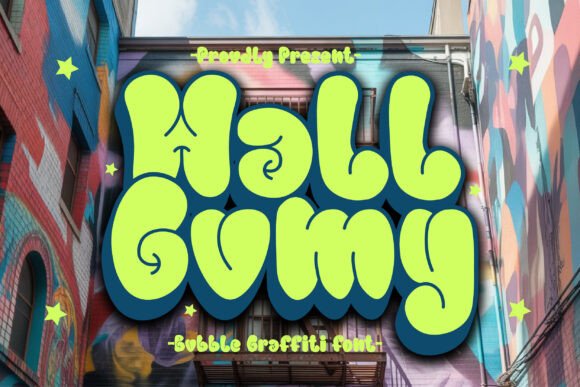
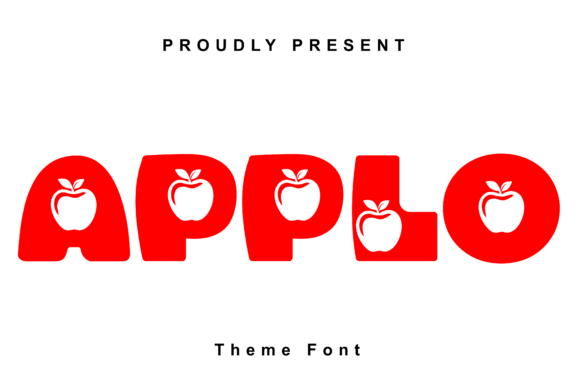
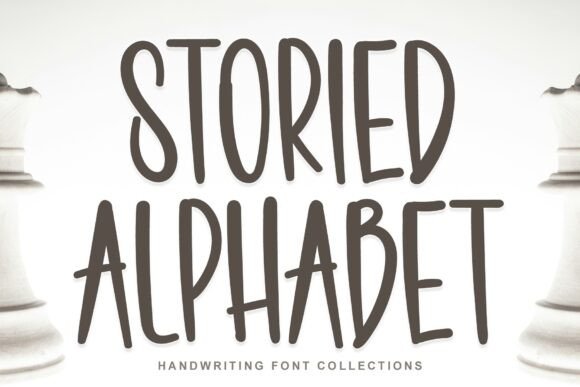
Before integrating this typeface into your workflow, it is vital to recognize what makes it distinct. Storied Alphabet is not merely a script font; it is a hybrid display face. Many designers mistakenly categorize it alongside delicate calligraphy scripts, leading to misuse in body copy or dense informational layouts. Its bold weight and playful geometry are designed for impact, making it ideal for headlines, logos, packaging, and social media graphics where immediate visual engagement is necessary.
The "charming personality" mentioned in its description is a functional asset, not just decorative fluff. In an era of minimalist corporate branding, audiences often crave human connection. This font delivers that tactile, handcrafted feel while maintaining enough structural integrity to remain readable at larger sizes. If you are evaluating it against other options, compare it based on its ability to convey emotion and authority simultaneously, rather than just its ornamental value.
Common Mistakes That Dilute Visual Impact
Even experienced creatives can stumble when working with high-personality typefaces. The most frequent error involves scale and hierarchy. Because Storied Alphabet carries significant visual weight, using it at small sizes destroys its intricate details. The smooth curves that define its elegance become muddy blobs when reduced below 24pt (or equivalent pixel density). This directly affects usability; if your audience has to squint to decipher a whimsical headline, the charm is lost to frustration.
Another critical oversight is pairing incompatibility. A common misconception is that a playful display font needs an equally playful supporting cast. This creates visual noise and competition. Instead, Storied Alphabet demands contrast. Pairing it with another decorative font often results in a chaotic layout that looks unprofessional. The corrective approach is to anchor this typeface with clean, neutral sans-serifs or simple serifs. Let Storied Alphabet be the protagonist of your design, with other elements serving as supportive background actors.
Finally, many users overlook kerning and spacing adjustments. While the font is professionally crafted, automated tracking settings in design software do not always account for the unique ligatures and swashes inherent in handwritten-style displays. Leaving spacing on "auto" can result in awkward gaps or collisions between characters, particularly in all-caps usage (which should generally be avoided with this specific style unless tested rigorously). Taking three extra minutes to manually adjust optical kerning ensures the artistic flair translates correctly across different mediums.
Evaluating Usability Before Purchase or Download
Whether you are a freelancer billing a client or a hobbyist creating personal art, due diligence prevents wasted budget and time. Before committing to Storied Alphabet, verify the following technical and practical details:
- Character Set Completeness: Ensure the font includes the special characters, numbers, and punctuation marks your project requires. Handwritten styles sometimes have limited glyph sets, which can be problematic for pricing tables, dates, or multilingual content.
- Licensing Clarity: Distinguish clearly between desktop, webfont, and commercial licenses. A frequent pain point for entrepreneurs is discovering post-launch that their logo use or e-commerce integration violates a personal-use-only license. Read the EULA specifically for your intended application.
- Rendering Performance: Test the font file size if using it for web design. Highly detailed vector curves can increase load times. Verify that the webfont version is optimized so your site’s performance metrics—and SEO rankings—do not suffer for the sake of aesthetics.
- Cross-Platform Consistency: Preview how the font renders on both Windows and macOS, as well as mobile devices. Subtle rendering differences can alter the perceived weight of handwritten strokes, potentially affecting brand consistency across touchpoints.
Strategic Application for Maximum Effectiveness
To get the best return on your typographic investment, apply Storied Alphabet with intentionality. Think of it as a spice rather than a main ingredient. It excels in contexts where you need to soften a brand’s image or add a bespoke quality to mass-produced items.
For marketers and bloggers, use this font in featured images, pull quotes, or section dividers to break up text-heavy content and reduce bounce rates through visual interest. Avoid using it for navigation menus or footer links where rapid scanning is prioritized over emotional resonance.
For product packaging and merchandise, test print samples at actual size before finalizing files. Screen resolution often flatters handwritten fonts more than physical ink spread does. What looks crisp on a retina display might bleed slightly on uncoated paper stock. Adjusting stroke weight or choosing appropriate paper texture during the prototyping phase saves costly reprinting errors later.
For educators and content creators, consider accessibility. While Storied Alphabet is remarkably legible for a display font, always ensure sufficient color contrast against backgrounds. The variable stroke widths inherent in handwritten styles can sometimes create low-contrast zones within individual letters. Adhering to WCAG guidelines ensures your beautiful typography remains inclusive and functional for all viewers.
Making an Informed Typographic Decision
Storied Alphabet represents a sophisticated choice for those seeking to infuse their work with genuine character. Its blend of bold playfulness and elegant curves solves the perennial design challenge of appearing approachable yet competent. However, its success depends entirely on respectful implementation.
Avoid the temptation to let the font do all the heavy lifting. Great design is a system of relationships, and this typeface performs best when given room to breathe and proper contextual support. By steering clear of sizing errors, incompatible pairings, and licensing oversights, you transform this font from a mere decorative element into a strategic communication tool. Whether you are rebranding a boutique, designing a wedding suite, or crafting social media assets, approaching Storied Alphabet with these practical considerations ensures your final output is as effective as it is aesthetically pleasing.