School River: Integrating Warmth and Whimsy into Professional Design Workflows
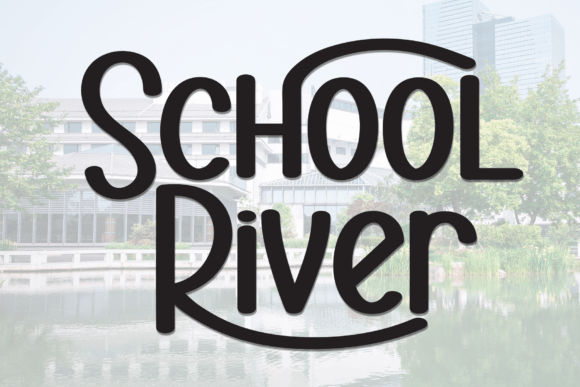
In the landscape of digital typography, finding a typeface that balances professional legibility with genuine emotional resonance is often a challenge for designers and marketers. School River emerges as a distinct solution within this space, offering a handwritten display font that exudes warmth and friendliness with every stroke. Unlike standard script fonts that can sometimes feel overly formal or artificially distressed, School River captures a delightful and playful nature that feels authentically human. For creators, entrepreneurs, and educators aged 20 to 50, integrating this typeface into a design system is not merely an aesthetic choice but a strategic decision to enhance communication and engagement.
The utility of School River extends beyond simple decoration. It serves as a functional tool for establishing tone in wedding invites, charming cards, branding materials, and educational resources. Its whimsical touch adds expressiveness without sacrificing clarity, making it an ultimate choice for projects requiring a personal connection. Understanding how to implement this font effectively requires looking at it through the lens of workflow integration, technical compatibility, and audience psychology rather than treating it as an isolated asset.
Defining the Role of Handwritten Display Fonts in Modern Projects
Before incorporating School River into a project pipeline, it is essential to understand where handwritten display fonts fit within the broader hierarchy of visual communication. In professional design workflows, typography performs heavy lifting regarding information architecture. While body copy demands neutrality and high readability, display typography carries the burden of emotional context. School River operates specifically in this upper tier of the typographic hierarchy.
For small business owners and freelancers, this distinction matters during the planning phase. When mapping out a website landing page or a physical invitation suite, School River should be designated for specific functional areas: headlines, pull quotes, signature elements, or call-to-action buttons. It acts as a visual anchor that signals approachability. By defining these roles early in the creative brief, teams prevent the common pitfall of overusing decorative fonts, which can degrade readability and user experience. The goal is to leverage the font’s joy and expressiveness to guide the viewer’s eye, not to overwhelm the content structure.
Pre-Project Assessment and Asset Preparation
Successful implementation begins before the design software is even opened. Professionals must assess technical requirements and licensing compliance as part of their preparation workflow. School River, like many independent typefaces, may have specific licensing tiers for personal versus commercial use. Entrepreneurs and publishers should verify that their license covers intended outputs, whether that includes web embedding, print merchandise, or social media templates.
Technical preparation also involves file management. Ensure you have access to multiple formats, including OTF, TTF, and WOFF2. Having these variations readily organized in your asset library prevents workflow bottlenecks when switching between print design in Adobe Illustrator and web development in CSS. For those working in collaborative environments, creating a shared style guide entry for School River ensures consistency. This entry should specify approved sizes, colors, and pairing partners, reducing friction during the review and approval stages.
Integrating School River into Creative Execution
During the active creation phase, the practical application of School River dictates the success of the final output. The font’s charming and affable characteristics shine brightest when given adequate negative space. In layout design, crowding a handwritten display font against other elements diminishes its impact and reduces legibility. Designers should treat School River as a graphical element that requires breathing room, much like a logo or an illustration.
When crafting enchanting wedding invites or event stationery, consider the tactile interaction between the font and the substrate. School River’s stroke variation mimics natural pen pressure, making it ideal for letterpress, foil stamping, or high-quality inkjet printing. During the proofing stage, test the font at actual size on the intended paper stock. Screen rendering often fails to capture how ink spreads on textured paper, which can alter the perceived weight and warmth of the letterforms. This quality control step is vital for maintaining the professional standard expected by clients and customers.
Digital Implementation and Web Performance
For bloggers, marketers, and web designers, integrating School River into digital platforms requires attention to performance and accessibility. Handwritten fonts can sometimes suffer from poor rendering on low-resolution screens. To mitigate this, utilize modern font loading strategies such as font-display: swap in CSS. This ensures that text remains visible while the custom font loads, preventing layout shifts that frustrate users.
Accessibility is another critical factor in the execution phase. While School River is designed for display purposes, it must still meet basic legibility standards. Avoid using this font for long-form body text, navigation menus, or critical legal disclaimers. Reserve it for headings and accent text where the playful nature enhances the message without obstructing comprehension. Always maintain sufficient color contrast between the font and its background, as the organic edges of handwritten letters can sometimes reduce perceived contrast compared to geometric sans-serifs.
Strategic Pairing and Visual Hierarchy
No font exists in isolation. The effectiveness of School River depends heavily on what it is paired with. A robust workflow includes establishing reliable type pairings that create balance. Because School River possesses significant personality and texture, it pairs best with clean, structured typefaces that provide stability.
- Geometric Sans-Serifs: Fonts like Montserrat or Poppins offer a modern, neutral foundation that allows School River’s whimsy to pop without competing for attention. This combination works exceptionally well for tech-forward brands wanting to appear more human.
- Traditional Serifs: Pairing with a classic serif like Merriweather or Playfair Display creates a sophisticated, timeless aesthetic. This is particularly effective for wedding stationery and luxury lifestyle branding where tradition meets personal expression.
- Monospaced Typefaces: For a contemporary, editorial look, combining School River with a monospace font creates an interesting tension between mechanical precision and organic warmth. This is a popular choice for zines, art blogs, and creative portfolios.
Establishing these pairings as part of a brand kit saves time during future projects. Instead of reinventing the wheel for every new campaign, creators can rely on pre-tested combinations that guarantee visual harmony and efficiency.
Workflow Efficiency for Content Creators
For productivity-minded users and content creators, speed and consistency are paramount. Integrating School River into template systems streamlines production. Whether using Canva, Figma, or Adobe InDesign, save master templates where School River is already styled with correct tracking, leading, and color values. This reduces repetitive formatting tasks and minimizes the risk of inconsistency across different deliverables.
Batch processing is another area where this font adds value. When creating social media graphics or email headers, having a predefined style for School River allows for rapid iteration. Marketers can focus on messaging and strategy rather than tweaking kerning for every individual post. However, remain vigilant about quality control. Automated tools can sometimes break ligatures or awkwardly hyphenate handwritten fonts. Always perform a manual visual check before publishing to ensure the "charming and affable" vibe hasn't been compromised by technical artifacts.
Long-Term Maintenance and Brand Evolution
Trends in typography shift, but the need for authentic connection remains constant. School River offers longevity because it taps into the enduring appeal of handwriting rather than fleeting design fads. However, professionals should periodically audit their use of the font to ensure it still aligns with brand evolution. As a business scales, the tone may need to adjust. School River is versatile enough to grow with a brand, provided its application is recalibrated.
Consider archiving older versions of projects to track how the font’s usage has evolved. This historical data informs future decisions, helping teams understand which applications resonated most with audiences. Did the whimsical headers on blog posts increase time-on-page? Did wedding invitations featuring School River receive higher engagement rates? Treating typography as a measurable component of business workflow transforms it from a subjective art into a strategic asset.
Furthermore, stay updated on font releases and improvements. Type designers occasionally update families to include new glyphs, extended language support, or refined hinting. Subscribing to updates ensures your toolkit remains current and compatible with new operating systems and design software. Maintaining this level of organization prevents technical debt and ensures that School River continues to deliver joy and expressiveness efficiently.
Practical Considerations for Educators and Hobbyists
While much of this discussion focuses on commercial application, School River holds significant value for educators and hobbyists. In educational settings, the font’s resemblance to neat handwriting can make learning materials feel less sterile and more encouraging. Teachers creating worksheets, certificates, or classroom decor can use the font to model positive penmanship and create an inviting learning environment. The key here is moderation; ensuring that instructional text remains highly readable while using School River for titles and positive reinforcement notes.
For hobbyists and DIY enthusiasts, the font bridges the gap between digital design and handmade aesthetics. It allows for the creation of professional-looking stickers, scrapbook pages, and personalized gifts without requiring advanced calligraphy skills. The workflow for these users often involves print-at-home solutions. Optimizing printer settings for "high quality" or "photo" mode ensures the subtle curves of School River render smoothly, preserving the warmth that makes the font special.
Ultimately, School River is more than a collection of vector shapes; it is a facilitator of connection. By approaching its selection and implementation with the same rigor applied to other business processes, professionals and creators can harness its full potential. From the initial planning and licensing checks to the final quality assurance and long-term brand auditing, treating this typeface as an integral part of the workflow ensures that every project stands out with genuine warmth and purposeful design.