Candy Lolipop: Integrating Handwritten Charm into Professional Design Workflows
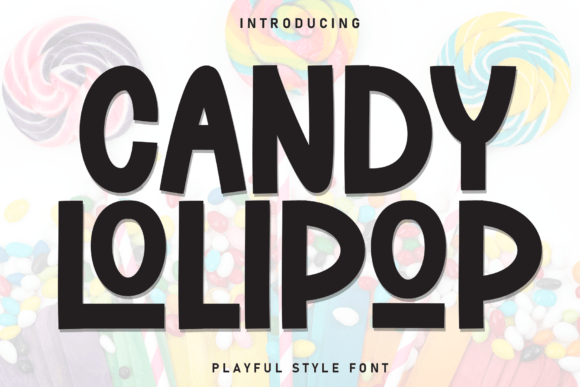
Selecting the right typography is often the most critical decision in a creative project’s planning phase. For designers, marketers, and small business owners seeking to bridge the gap between professional polish and personal warmth, Candy Lolipop serves as a specialized tool within the broader visual communication strategy. This handwritten display typeface is not merely an aesthetic choice; it is a functional asset designed to inject individuality and affability into digital and print media. Understanding where this font fits into your production pipeline ensures that its frolic elements enhance rather than distract from your core message.
Defining the Role of Candy Lolipop in Visual Hierarchy
In any structured design workflow, typography performs specific jobs. Body copy prioritizes legibility and information retention, while display typefaces like Candy Lolipop handle emotional resonance and brand personality. This font radiates warmth through its genuinely handwritten construction, making it ideal for projects requiring a human touch. However, its utility depends entirely on proper placement within the visual hierarchy.
When integrating this typeface into a project, treat it as an accent instrument rather than the entire orchestra. Its lively rhythm and spirited personality are best utilized in high-impact areas where you need to arrest attention or convey sentiment. Practical applications include:
- Primary Headlines: Using the font for main titles on wedding invitations or event posters to set an immediate tone of joy.
- Call-to-Action Buttons: Softening direct marketing language on greeting cards or e-commerce sites to increase approachability.
- Packaging Accents: Adding artisanal credibility to product labels for boutique food, beauty, or craft brands.
- Social Media Overlays: Creating thumb-stopping graphics that feel native to personal feeds rather than corporate advertisements.
By defining these use cases before opening your design software, you prevent scope creep and ensure the font supports the project's strategic goals. The enchanting charisma of Candy Lolipop works best when it has room to breathe, so plan your layout grid to accommodate its organic, non-linear forms.
Pre-Production Planning and Asset Preparation
Efficiency in design begins with preparation. Before applying Candy Lolipop to a canvas, verify technical compatibility and licensing. As a display font with unique character shapes, it requires specific handling during the file setup stage to avoid downstream production issues.
Technical Verification
Ensure you have installed all available weights and alternates. Handwritten fonts often include OpenType features such as swashes, ligatures, or contextual alternates that are essential for maintaining the "genuinely handwritten" illusion. If you are designing for web, confirm that the font files are optimized for performance or that you have access to a reliable web font service hosting this specific family. For print projects, check the vector quality at large scales to ensure the edges remain crisp on physical invitations or signage.
Licensing and Commercial Use
For entrepreneurs and freelancers, verifying the license is a non-negotiable step in the pre-production checklist. Determine whether your current license covers commercial client work, web embedding, or merchandise creation. Securing the correct rights upfront protects both you and your client from future legal complications and ensures the asset remains viable for long-term brand use.
Execution Strategies for Wedding and Greeting Card Design
The magical touch of Candy Lolipop streamlines the artistic journey for embellishing heartfelt items, but execution requires discipline. When designing wedding invites or affectionate greeting cards, the goal is to balance artistic flair with necessary information clarity.
During the drafting phase, pair this display font with a clean, neutral sans-serif or a classic serif for body text. The contrast between the frolic nature of Candy Lolipop and the stability of a supporting typeface creates a professional tension that guides the reader’s eye. Avoid using the handwritten font for logistical details like addresses, times, or pricing. Instead, reserve it for names, salutations, and thematic phrases.
Consider the spacing and kerning carefully. Unlike monospaced system fonts, handwritten typefaces rely on natural irregularity. You may need to manually adjust tracking to prevent letters from colliding awkwardly or drifting too far apart. This manual refinement is what separates a template-looking design from a bespoke masterpiece. By investing time in these micro-adjustments, you honor the font’s individuality and ensure the final output resonates with the intended audience.
Digital Implementation and Cross-Platform Consistency
For bloggers, social media managers, and digital marketers, consistency across platforms is vital for brand recognition. Integrating Candy Lolipop into a digital workflow involves more than just selecting it from a dropdown menu; it requires establishing usage guidelines.
Create a mini style guide specifically for this typeface. Define acceptable color palettes that complement its warmth without reducing contrast below accessibility standards. Document maximum character counts for headlines, as elaborate display fonts can become illegible if squeezed into tight mobile containers. If you are working within a team, provide examples of correct and incorrect usage to maintain quality control.
When exporting assets, consider the background environment. Candy Lolipop’s delicate strokes may disappear against busy photographic backgrounds. In these instances, apply subtle drop shadows, outer glows, or solid backing shapes to preserve legibility. This practical adaptation ensures the font’s charm translates effectively from a high-resolution monitor to a compressed smartphone screen.
Post-Project Evaluation and Long-Term Asset Management
The integration of a distinctive typeface extends beyond the delivery of a single project. After completing a design using Candy Lolipop, evaluate its performance against your initial objectives. Did the handwritten element increase engagement on social posts? Did clients report positive feedback regarding the tone of the wedding stationery? Gathering this qualitative data helps refine future implementation strategies.
Organize your font library to support long-term efficiency. Tag Candy Lolipop with relevant keywords in your font management software, such as "handwritten," "wedding," "playful," or "display." This reduces search time during future brainstorming sessions. Additionally, keep a record of successful pairings and color combinations used with this font. Building a personal knowledge base of what works accelerates the creative process for subsequent tasks.
For businesses considering this font as part of a permanent brand identity, test its versatility across different seasons and campaigns. While its affability is a strength, ensure it does not limit the brand’s ability to communicate serious updates when necessary. A flexible system might use Candy Lolipop for celebratory content while switching to a secondary typeface for policy changes or corporate announcements.
Maximizing Creative Output Through Intentional Typography
Ultimately, Candy Lolipop is a catalyst for storytelling. It allows creators to unravel a design’s unique narrative by providing a visual voice that standard system fonts cannot replicate. Whether you are a hobbyist crafting personal gifts or a professional agency delivering a rebrand, the value lies in intentional application.
Absorb the joy this distinctive typeface provides, but anchor that emotion in practical execution. Respect the whitespace, prioritize readability, and validate technical specifications. When these operational factors align with the font’s inherent charm, the result is a seamless blend of artistry and function. Say hello to quintessential creativity not by abandoning structure, but by using tools like Candy Lolipop to bring disciplined warmth to your most important visual communications.