Retroblob: Channeling Bold Nostalgia in Modern Visual Identity
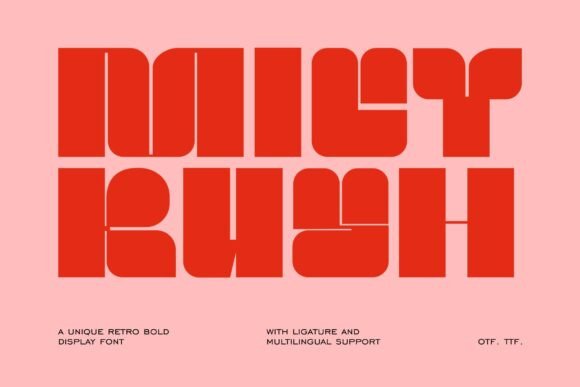
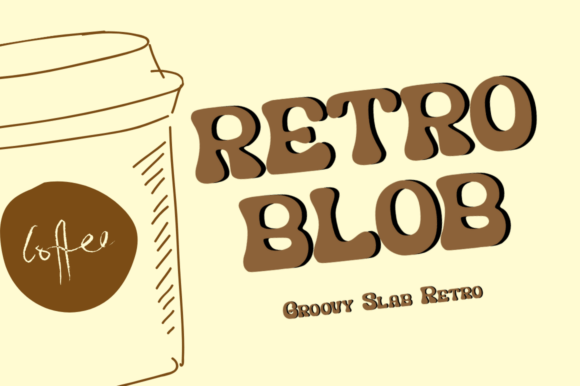
In the current landscape of graphic design and digital branding, there is a distinct shift away from the sterile minimalism that dominated the last decade. Audiences and creators alike are seeking warmth, character, and a tangible sense of history in visual communication. This is where Retroblob enters the conversation as a significant typographic tool. As a bold slab-serif display font defined by retro curves and funky energy, it represents more than just a stylistic choice; it is a response to a market craving authenticity and playfulness. Its chunky structure and softened edges make it perfect for vintage posters, branding with a retro twist, or any design seeking to channel bold 70s-80s nostalgia without sacrificing contemporary legibility.
The relevance of Retroblob lies in its ability to bridge generational aesthetics. For professionals aged 20 to 50, this typeface triggers a dual response: genuine nostalgia for those who lived through the analog era, and a fresh, ironic appreciation among younger demographics who associate these forms with curated vintage culture. It is eye-catching and charismatic with a playful edge, allowing brands to communicate approachability and confidence simultaneously. In an attention economy where users scroll past generic sans-serifs in milliseconds, the distinct silhouette of Retroblob demands a pause, offering a moment of visual delight that can translate into higher engagement and brand recall.
The Evolution of Slab Serifs in Digital Spaces
To understand why Retroblob resonates today, one must look at the evolution of typography in digital workflows. Historically, slab serifs were designed for durability in print, specifically for headlines and posters where ink spread could be an issue. The thick, blocky serifs provided stability and weight. However, early digital adaptations often resulted in clunky, pixelated renderings that lacked finesse. Modern display fonts like Retroblob have been re-engineered for high-resolution screens while retaining the soulful imperfections of their analog predecessors.
The "softened edges" mentioned in Retroblob’s description are not merely decorative; they are a functional adaptation to modern user expectations. Sharp geometric corners can sometimes feel aggressive or overly technical on mobile devices. By rounding out the chunky structure, designers create a subconscious sense of safety and friendliness. This aligns with broader lifestyle shifts where technology is expected to feel more human-centric and less industrial. When a business uses this typeface, they are signaling that they value heritage but operate with modern empathy. It fits seamlessly into current trends that favor "dopamine design"—visuals intended to evoke positive emotional responses through color, shape, and texture.
Balancing Funky Energy with Professional Utility
A common hesitation among entrepreneurs and marketers when adopting retro typography is the fear of appearing unprofessional or dated. The key to leveraging Retroblob effectively is understanding its role as a display font rather than a body text workhorse. Its funky energy is best utilized as an accent, a headline, or a logo mark, paired with clean, neutral typefaces for supporting content. This contrast creates a dynamic visual hierarchy that guides the user’s eye without overwhelming their cognitive load.
For freelancers and agency creatives, this balance is crucial. Clients often request "vintage vibes" but still need their messaging to be instantly readable across various platforms. Retroblob’s bold weight ensures it holds up against busy photographic backgrounds or textured overlays, which are staples in modern social media design. Yet, its proportional spacing prevents it from feeling chaotic. Practical application involves testing the font at various sizes; while it shines at large scales for hero banners and packaging, it maintains integrity even when scaled down for Instagram stories or email headers, provided it isn't pushed below its minimum optical size.
Practical Applications Across Industries
The versatility of Retroblob extends beyond aesthetic preference; it solves specific communication challenges across different sectors. Understanding these use cases helps professionals integrate the font with intention rather than treating it as a passing fad.
- Hospitality and Food & Beverage: Breweries, coffee roasters, and farm-to-table restaurants utilize this style to emphasize craftsmanship and artisanal quality. The chunky structure suggests substance and tradition, reinforcing the narrative of handmade products.
- Creative Portfolios and Personal Branding: For photographers, illustrators, and writers, Retroblob adds personality to portfolio sites. It distinguishes personal brands from corporate templates, suggesting a creator who is confident in their unique voice and unafraid of bold choices.
- Educational and Community Organizations: The softened edges and playful nature make this typeface excellent for workshops, summer camps, or community events. It feels inviting and accessible, lowering barriers to entry for participants who might find academic or corporate typography intimidating.
- Fashion and Lifestyle Retail: Brands targeting Gen Z and Millennials often use 70s-80s revival aesthetics to signal trend awareness. Retroblob works exceptionally well for sale announcements, limited edition drops, and seasonal campaigns where excitement and urgency are paramount.
Integrating Retro Typography into Modern Workflows
Adopting a distinctive font like Retroblob requires adjustments to standard design workflows. Unlike system fonts that are universally available, specialty display fonts demand careful asset management. For teams collaborating remotely, ensuring consistent rendering across Figma, Adobe Creative Cloud, and web development environments is essential. Designers should establish clear guidelines on when and how to use the font to prevent misuse that could dilute its impact.
Furthermore, accessibility must remain a priority. While Retroblob is charismatic, its bold, retro curves can reduce contrast if not handled correctly. Professionals must ensure that text set in this typeface meets WCAG standards against background colors. This might involve adjusting letter spacing (tracking) slightly to improve readability or avoiding all-caps settings in longer headlines, as the unique shapes of lowercase letters often contribute significantly to the font's retro charm and legibility. By treating accessibility as a creative constraint rather than a limitation, designers can produce work that is both stylish and inclusive.
The Psychology of Curves and Weight
Why do we respond so positively to the specific geometry of Retroblob? Environmental psychology and design theory suggest that rounded forms are processed by the brain as safer and more organic than sharp angles. In a post-pandemic world where consumers are navigating uncertainty, visual softness offers a micro-moment of comfort. Simultaneously, the bold weight conveys stability and assurance. This combination addresses two conflicting consumer needs: the desire for novelty and the need for security.
This psychological interplay makes Retroblob particularly effective for rebranding initiatives. Companies looking to soften their image after years of rigid corporate identity can use this typeface to signal a cultural pivot without losing authority. It suggests that the organization is evolving, becoming more flexible and responsive to human needs, while remaining grounded in substantial values. For educators and content creators, this translates to materials that feel engaging rather than instructional, fostering a better learning environment through thoughtful visual tone.
Navigating Trends Without Losing Timelessness
While Retroblob is undeniably trendy, savvy professionals know that trends have lifecycles. The goal is to use the font in a way that feels relevant now but won't look embarrassing in five years. This requires anchoring the retro typography in timeless design principles. Avoid pairing it with other highly specific period markers unless you are intentionally creating a pastiche. Instead, combine it with modern photography, contemporary color palettes, or minimalist layouts. This juxtaposition keeps the design feeling current.
Additionally, consider the longevity of the medium. A concert poster using Retroblob is ephemeral and can fully embrace the trend. A company logo, however, requires more restraint. If using Retroblob for permanent brand assets, focus on its structural qualities—the balance, the weight, the negative space—rather than just its "retro-ness." This ensures the identity ages gracefully. Market preferences shift, but good typography that serves a clear communicative function retains value. By focusing on the utility of the font's charisma and playfulness, users can create work that transcends the immediate trend cycle.
Making Informed Typographic Choices
Ultimately, selecting Retroblob is a strategic decision about voice. It is not suitable for every project; legal documents, medical interfaces, and luxury finance brands may require different tonal frequencies. However, for the vast middle ground of creative, commercial, and educational endeavors, it offers a powerful alternative to safe defaults. It empowers creators to inject personality into their work without resorting to clichés.
As we move forward, the integration of expressive typography like Retroblob into mainstream digital tools will likely continue. Variable font technology may soon allow users to adjust the "funky energy" or "chunkiness" dynamically, offering even greater control. Until then, mastering the static version of this typeface provides a solid foundation in expressive design. Whether you are a small business owner designing your first storefront sign or a seasoned art director refreshing a global campaign, Retroblob offers a distinct vocabulary for speaking to a modern audience that values the past as much as the future. It is a reminder that in design, as in life, there is strength in softness and professionalism in play.