Quick Learner Font: Soft Style for Creative Projects
In the vast landscape of digital typography, finding a typeface that balances personality with readability is a constant challenge for designers. Quick Learner emerges as a solution for creatives who need a font that feels both contemporary and approachable. Designed with a soft, unique touch, this typeface moves away from rigid geometric structures to offer something more organic. Its distinctive strokes provide a special character that transforms standard text into a visual experience. For marketers, educators, and hobbyists alike, understanding how to leverage this natural font style can significantly elevate the quality of design projects, crafts, and digital content.
Defining the Aesthetic of Quick Learner
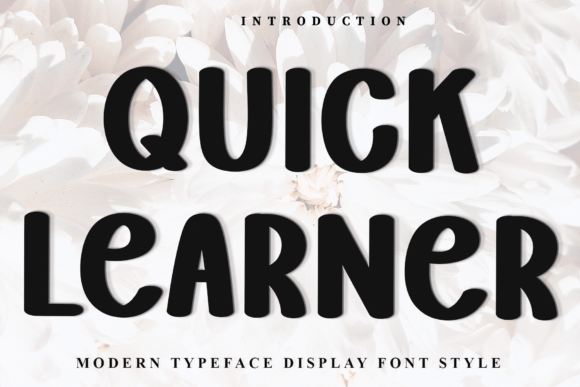
The primary appeal of Quick Learner lies in its ability to convey warmth without sacrificing professionalism. Many display fonts lean too heavily into decoration, making them difficult to read at smaller sizes or in longer formats. Conversely, standard sans-serif fonts can sometimes feel sterile or corporate. This font occupies a valuable middle ground. The soft curves and thoughtful spacing create a rhythm that is pleasing to the eye, making it meaningful for brands that want to appear accessible and human-centric.
This versatility stems from its construction. The strokes are not merely functional; they carry an artistic intent that adds depth to headlines, logos, and short copy. When you select Quick Learner for a project, you are choosing a typeface that communicates creativity and openness. It is particularly effective when the goal is to make an audience feel welcome rather than intimidated. Whether used in a minimalist layout or a vibrant collage, the font retains its integrity, ensuring your message remains clear while gaining an extra layer of aesthetic value.
Practical Applications Across Creative Fields
The true test of any font is its utility across different mediums. Quick Learner is compatible with various applications, including Windows environments and open-source platforms, making it accessible to a wide demographic of users. Here is how different professionals can adapt this typeface to meet specific goals:
Branding and Marketing Collateral
For entrepreneurs and small business owners, first impressions matter. Quick Learner works exceptionally well for lifestyle brands, boutique shops, and service providers who rely on trust. Use it for logo lockups where you want to suggest flexibility and modernity. In social media graphics, the font’s unique character helps stop the scroll. Pair it with clean photography and ample whitespace to let the letterforms breathe. Because it appeals to many audiences, it is safe for general consumer marketing while still feeling distinct enough to build brand recognition.
Educational Materials and Workshops
Educators and workshop facilitators often struggle to make materials that look professional yet engaging. Textbooks and slides filled with standard system fonts can induce fatigue. Integrating Quick Learner into presentation headers, worksheet titles, or certificate designs adds a layer of encouragement. The "soft touch" of the font aligns psychologically with learning environments that prioritize growth and support. It makes educational content feel less like a mandate and more like an invitation to explore, which is essential for adult learners and creative students.
Crafts and Physical Products
Hobbyists and makers will find this font ideal for physical applications. Its distinctive strokes translate beautifully to vinyl cutting, embroidery digitizing, and laser engraving. Unlike thin, spindly scripts that can tear or break during production, Quick Learner has enough weight and structure to hold up in manufacturing processes. It is perfect for custom t-shirts, tote bags, wedding signage, and personalized gifts. The natural style complements raw materials like wood, linen, and uncoated paper, enhancing the tactile quality of handmade goods.
Maximizing Readability and Design Harmony
While Quick Learner is beautiful, using it effectively requires intentional design choices. To keep results clear and organized, consider the following practical recommendations when incorporating this font into your workflow:
- Mind the Hierarchy: Reserve Quick Learner for headlines, subheads, and short callouts. While it includes various characters, its personality shines brightest in larger sizes. For body copy exceeding three lines, pair it with a neutral sans-serif or serif to maintain reading comfort.
- Leverage Negative Space: The soft nature of this font requires room to be appreciated. Avoid cramming it into tight boxes or overlapping it with busy backgrounds. Generous margins and padding will enhance its elegant qualities and prevent the design from looking cluttered.
- Color Considerations: High-contrast color combinations work best to define the unique strokes. If using pastel or low-contrast palettes, ensure the font size is increased to compensate. Test your color choices on multiple screens and in print proofs to guarantee accessibility.
- Consistent Styling: Establish rules for how and where you use the font. If you use it for all H2 headers on a blog, stick to that pattern. Consistency builds familiarity, helping your audience navigate your content intuitively.
Technical Compatibility and Workflow Integration
One of the significant advantages of Quick Learner is its broad compatibility. Creatives often face friction when moving files between different software or operating systems. This font is designed to function smoothly across Windows and open-source platforms, reducing technical headaches for freelancers and teams working in mixed environments. Whether you are designing in Adobe Illustrator, creating documents in LibreOffice, or crafting in Cricut Design Space, the font metrics should remain stable.
This cross-platform reliability is crucial for collaborative projects. When sharing source files with clients or colleagues, you can be confident that the typography will render correctly. For those working in web design or digital publishing, always verify licensing terms and test rendering across browsers. While the font is versatile, ensuring proper file formats (OTF, TTF, WOFF2) are selected for the specific medium will preserve the integrity of those distinctive strokes.
Inspiring Future Creativity
Typography is more than just arranging letters; it is about setting a tone that resonates with people. Quick Learner offers a refreshing alternative to overused typefaces, providing a foundation for work that feels fresh and intentional. Its blend of softness and structure makes it a reliable tool for anyone looking to enhance their visual communication.
As you plan your next project, consider how this natural font style might shift the perception of your work. Experiment with scale, pairing, and context. Use it to soften a corporate report, add elegance to a craft project, or bring warmth to a digital campaign. By treating typography as an active element of your creative strategy rather than an afterthought, you create designs that are not only appealing but also deeply effective. Quick Learner is ready to support that vision, offering a unique voice for your diverse creative endeavors.