Integrating Josefin Sans into Professional Design Workflows
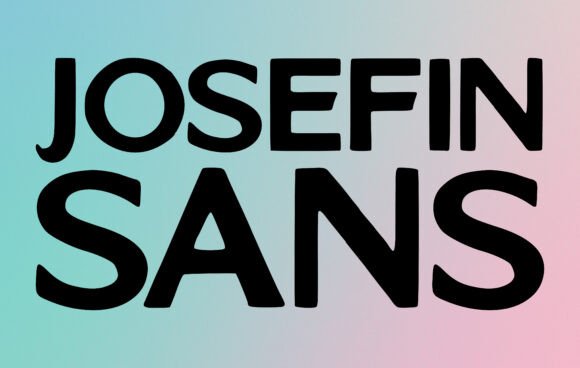
Selecting the right typeface is rarely just an aesthetic decision; it is a strategic component of visual communication that influences readability, brand perception, and user experience. Josefin Sans has established itself as a reliable asset in the modern designer’s toolkit because it balances geometric precision with organic warmth. Designed to be a true favorite among creatives, this font offers a versatility that extends far beyond simple decoration. For professionals managing complex projects—from editorial layouts to digital branding—understanding how to implement Josefin Sans effectively can streamline production and elevate the final output.
This typeface is engineered for legibility while maintaining a distinct personality, making it suitable for both high-impact titles and functional body text. Its geometric structure provides a clean, organized foundation, yet subtle idiosyncrasies prevent it from feeling sterile. When integrated correctly into a design system, Josefin Sans supports clarity and hierarchy without competing with content. Whether you are a freelancer delivering client assets, a marketer creating social campaigns, or an entrepreneur building a brand identity, treating this font as a functional tool rather than just a stylistic choice ensures consistent, high-quality results across all mediums.
Strategic Application in Brand Identity Systems
In the early stages of brand development, typography sets the tone for every subsequent touchpoint. Josefin Sans is particularly effective during the conceptualization phase because its geometric nature aligns well with grid-based logo construction and modular identity systems. When designing wordmarks or logotypes, the font’s balanced proportions allow for easy manipulation. Designers can adjust tracking, weight, or case to create a proprietary feel without losing the underlying structural integrity that makes the typeface recognizable and trustworthy.
Beyond the logo, consistency is the primary metric of success in branding. Josefin Sans serves as a unifying element across disparate platforms. Because it performs well at various scales, it reduces the friction often associated with adapting brand guidelines for different contexts. A business card requires tight spacing and excellent small-size legibility, while a billboard demands bold presence and open counters. This typeface handles both extremes efficiently. By standardizing on Josefin Sans for primary headers and secondary navigation elements, teams can reduce decision fatigue during the execution phase, ensuring that marketing collateral, packaging, and digital interfaces share a cohesive visual language.
Editorial Layouts and Long-Form Content
For publishers, bloggers, and educators, readability is non-negotiable. While many geometric sans-serifs struggle in extended reading settings due to uniform stroke widths and tight spacing, Josefin Sans was designed with optical corrections that enhance comfort. The x-height is generous, and the counterforms are open, which improves character recognition at smaller sizes. This makes it a viable candidate for magazine headlines, article subheads, and even body copy in digital environments where screen resolution varies.
When planning editorial workflows, consider pairing Josefin Sans with a complementary serif or a more neutral grotesque for body text if the project demands extensive reading. However, for pull quotes, captions, sidebars, and introductory paragraphs, Josefin Sans adds rhythm and visual interest without disrupting the reading flow. In digital publishing, utilizing variable font technology (where available) allows for fine-tuned adjustments to weight and width directly in CSS. This capability enables responsive typography strategies where the font adapts fluidly to viewport changes, maintaining optimal line length and density across mobile, tablet, and desktop devices.
Execution in Digital Marketing and Social Media
Social media design operates under strict constraints regarding attention span and platform specifications. Josefin Sans excels in this environment because its geometric clarity translates instantly to small screens. When creating templates for Instagram stories, LinkedIn carousels, or YouTube thumbnails, the font’s strong vertical stress and distinct letterforms ensure messages remain legible even when overlaid on busy imagery or viewed on low-resolution displays. For marketers and content creators, this reliability speeds up the production cycle.
- Template Standardization: Build master templates using Josefin Sans for all headline tiers. This ensures that regardless of who creates the content, the brand voice remains visually consistent.
- Contrast Management: Utilize the font’s lighter weights for elegant, minimalist aesthetics in luxury or wellness niches, and heavier weights for bold, urgent calls-to-action in retail or tech sectors.
- Cross-Platform Compatibility: As a web-safe Google Font, Josefin Sans renders consistently across browsers and operating systems, eliminating the guesswork when scheduling posts or embedding graphics in emails.
- Accessibility Compliance: Ensure sufficient color contrast ratios when using lighter weights. The font’s structure aids WCAG compliance, but testing against background colors is essential for inclusive design.
Efficiency in social media workflows also comes from asset organization. Maintaining a dedicated library of pre-styled Josefin Sans text treatments allows teams to bypass repetitive formatting tasks. Instead of adjusting kerning and leading for every new post, designers can focus on messaging and imagery, knowing the typographic foundation is already optimized for engagement.
Print Production and Physical Goods
Transitioning from screen to print introduces variables like ink spread, paper texture, and finishing techniques. Josefin Sans is robust enough to handle these physical constraints, making it ideal for wedding invitations, greeting cards, t-shirts, and merchandise. In wedding stationery, the font bridges the gap between traditional elegance and modern minimalism. Its geometric roots provide structure, while its humanist touches soften the overall appearance, preventing the invitation suite from feeling too corporate or cold.
For apparel and merchandise, technical preparation is critical. When preparing files for screen printing or embroidery, the clean lines of Josefin Sans simplify the separation process. Intricate serifs or distressed textures often clog screens or break threads, but this typeface’s smooth curves and consistent strokes reproduce faithfully. Designers should always outline text before sending files to vendors to prevent font substitution issues. Additionally, testing print proofs at actual size is necessary; what looks spacious on a 27-inch monitor may appear cramped on a 4x6 inch card. Adjusting tracking specifically for the intended print size ensures the tactile quality matches the digital vision.
Technical Integration and Workflow Optimization
Successful implementation of Josefin Sans requires attention to technical details within your software ecosystem. For web developers and UI designers, proper loading strategies are essential to maintain site performance. Since Josefin Sans is hosted via Google Fonts, utilizing the font-display: swap property prevents invisible text during load times. Furthermore, selecting only the specific weights and subsets needed for the project reduces payload size. Loading seven weights when only three are used wastes bandwidth and slows down the user experience, negating the benefits of a clean, efficient design.
In desktop applications like Adobe Illustrator, Figma, or InDesign, setting up paragraph and character styles upfront saves hours of manual correction later. Define specific rules for Josefin Sans regarding leading, tracking, and hyphenation. For example, geometric sans-serifs often benefit from slightly looser tracking in uppercase settings and tighter tracking in lowercase body text. Codifying these preferences into style guides ensures that junior designers, freelancers, or external agencies adhere to the same standards. This level of organizational discipline transforms a font choice from a subjective preference into a scalable system component.
Pairing Strategies and Visual Hierarchy
No typeface exists in isolation. Understanding how Josefin Sans interacts with other assets is crucial for establishing clear hierarchy. It pairs exceptionally well with high-contrast serifs like Playfair Display or Merriweather for classic editorial looks, or with monospaced fonts like Roboto Mono for technical, data-driven interfaces. The key is contrast in form and function. If Josefin Sans serves as the display face, the supporting text should differ sufficiently in structure to guide the reader’s eye through the content.
During the review and quality control phases, evaluate the typeface combinations in context. Does the hierarchy communicate the intended message order? Is the distinction between headings and body text immediate? Sometimes, switching Josefin Sans from a header role to a caption role can resolve layout conflicts. Flexibility is one of its core strengths. By remaining open to reassigning roles based on real-world testing rather than initial assumptions, designers can achieve more refined and effective outcomes. Ultimately, Josefin Sans is designed to be a true favorite not because it is trendy, but because it solves practical problems across the entire spectrum of creative work, from initial concept to final delivery.