Arche Sans Font: Vintage Soul Meets Modern Design
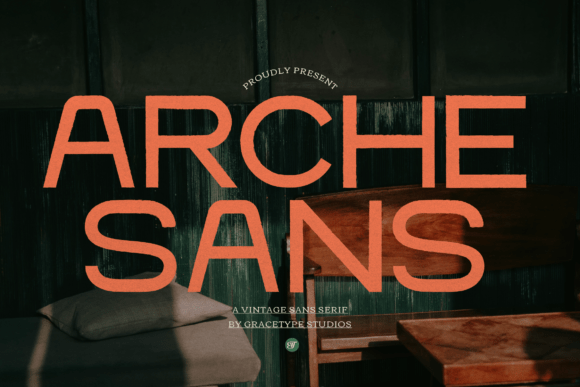
Finding a typeface that balances historical warmth with contemporary precision is one of the most common challenges in modern graphic design. We often have to choose between a sterile geometric sans serif that feels too cold or a retro display font that lacks functional versatility. Arche Sans Font resolves this tension by offering a vintage sans serif reimagined with modern charm and a sleek, structured design. It serves as a sophisticated bridge between past and future, providing designers with a tool that feels authentically nostalgic while remaining entirely relevant for today’s digital and print landscapes.
This typeface is not merely an aesthetic exercise; it is a functional solution for creators who need to combine authenticity with innovation. Whether you are art directing a magazine spread, building a brand identity for a tech startup, or designing packaging for an artisanal product, Arche Sans offers a distinct visual voice. Its ability to adapt across mediums makes it a valuable asset in any designer's toolkit, moving beyond trend-chasing to provide lasting typographic value.
Defining Characteristics and Visual Texture
The strength of Arche Sans lies in its specific anatomical details. While many "retro" fonts rely heavily on distressing or exaggerated curves, this typeface maintains clean, geometric lines that feel both warm and tech-forward. The blocky shapes provide a solid foundation that ensures legibility at smaller sizes, while subtle vintage textures prevent the letterforms from appearing flat or overly manufactured. This texture is integrated into the vector outlines rather than applied as a post-production overlay, meaning it scales perfectly from business cards to billboards without losing fidelity.
The structure is intentionally refined. Unlike loose, hand-drawn revival fonts, Arche Sans possesses a disciplined grid system. This makes it exceptionally versatile for professional projects where alignment and hierarchy are paramount. The x-height is generous, improving readability in dense text blocks, while the capital letters carry enough weight to anchor bold headlines. It is this duality—approachable personality paired with engineered precision—that allows it to function effectively in both expressive and utilitarian contexts.
Technical Flexibility and PUA Encoding
For professional typographers and hobbyists alike, access to alternate characters can define the success of a layout. Arche Sans Font is PUA-encoded (Private Use Area), which is a critical feature for workflow efficiency. This encoding allows effortless access to all glyphs, swashes, and alternate characters directly through standard character map utilities or design software like Illustrator, Figma, and Canva. You do not need specialized OpenType-savvy software to unlock the font's full potential.
This technical consideration matters because it democratizes high-end typography. A freelancer working in Canva can access the same unique ligatures and stylistic alternates as an agency designer using Adobe Creative Cloud. When evaluating this font for commercial use, verify that your licensing covers the intended application, but rest assured that the file structure itself is optimized for cross-platform compatibility and ease of use.
Practical Applications Across Industries
The true test of any typeface is how it performs in real-world scenarios. Arche Sans has proven effective across a diverse range of applications because it avoids being pigeonholed into a single era or industry. Here is how different professionals are leveraging its unique attributes:
- Brand Identity Systems: For brands that want to signal heritage without looking outdated, this font provides instant credibility. Tech companies focusing on sustainable hardware or ethical AI have used it to soften their image, while coffee roasters and breweries use it to elevate their packaging beyond generic rustic aesthetics.
- Editorial and Publishing: Magazine art directors appreciate the font’s strong headline presence. It pairs exceptionally well with neutral body copy like Inter or Helvetica, creating a dynamic contrast that guides the reader’s eye through complex layouts.
- Digital Interfaces: Despite its vintage roots, the geometric clarity of Arche Sans translates beautifully to screens. It works particularly well for hero sections, landing pages, and app onboarding flows where personality is needed to reduce bounce rates and increase engagement.
- Packaging and Merchandise: The blocky nature of the letterforms makes them ideal for embossing, debossing, and screen printing. The subtle texture holds up well on uncoated papers and textured substrates, adding a tactile dimension to physical products.
Enhancing User Experience Through Typography
Typography is a fundamental component of user experience (UX). In digital environments, users make split-second judgments about trust and quality based largely on type selection. Arche Sans contributes to positive UX by reducing cognitive load through clear structure while simultaneously triggering emotional resonance through its vintage cues. This combination helps create interfaces that feel intuitive yet distinctive.
When implementing this font in web design, consider performance. Because it includes multiple alternates and textures, file sizes can be larger than standard system fonts. Use variable font technology if available, or subset the font files to include only the necessary glyphs for your specific project. This ensures that the aesthetic benefits do not come at the cost of site speed or Core Web Vitals scores.
Strategic Pairing and Hierarchy
To maximize the impact of Arche Sans Font, thoughtful pairing is essential. Its strong personality means it should typically serve as the primary display face. For body text, opt for highly legible, neutral sans serifs or traditional serifs that provide breathing room. Avoid pairing it with other decorative or textured fonts, as this creates visual noise and competes for attention.
Hierarchy can be established through weight variation and the strategic use of alternates. Use the standard uppercase for primary navigation and major headings to maintain clarity. Reserve the swashes and special glyphs for accent elements, pull quotes, or logo lockups. Overusing alternates diminishes their impact; treat them as spices rather than the main ingredient. This disciplined approach ensures your design remains accessible and professional while still showcasing the font’s unique character.
Evaluating Fit for Your Next Project
Before committing to Arche Sans, assess whether its specific blend of retro and modern aligns with your communication goals. If your project requires absolute neutrality or strict corporate conformity, a more conventional grotesque might be safer. However, if your objective is to differentiate, evoke emotion, or tell a story that spans generations, this typeface offers a compelling advantage.
Consider also the longevity of the design. Trends cycle quickly, but fonts rooted in solid geometric principles tend to age gracefully. Arche Sans avoids the pitfalls of hyper-specific nostalgia (like 80s neon or 70s psychedelia) in favor of a timeless structural integrity. This makes it a sound investment for long-term branding projects where frequent redesigns are not feasible. By choosing a typeface that bridges eras rather than mimicking one, you future-proof your visual identity against shifting fads.
Ultimately, Arche Sans Font represents a mature approach to retro design. It respects the past without being enslaved by it, offering modern creators a versatile instrument for authentic expression. Whether you are crafting a futuristic poster or an elegant lifestyle brand, its balanced proportions and accessible features ensure your work remains memorable, fresh, and professionally executed.