Easy Handwriting: Strategic Application for Authentic Brand Communication
In an era dominated by sterile geometric sans-serifs and hyper-optimized digital interfaces, the strategic selection of typography has shifted from mere legibility to emotional resonance. Easy Handwriting represents a specific category of display font that bridges the gap between professional polish and personal intimacy. Unlike chaotic script fonts that sacrifice readability for artistic flair, this typeface echoes the relaxed charm of jotted notes while maintaining the structural integrity required for commercial use. For entrepreneurs, marketers, and creators, understanding the utility of Easy Handwriting is not about following a design trend; it is about leveraging visual psychology to foster trust, enhance user experience, and differentiate brand positioning in a saturated market.
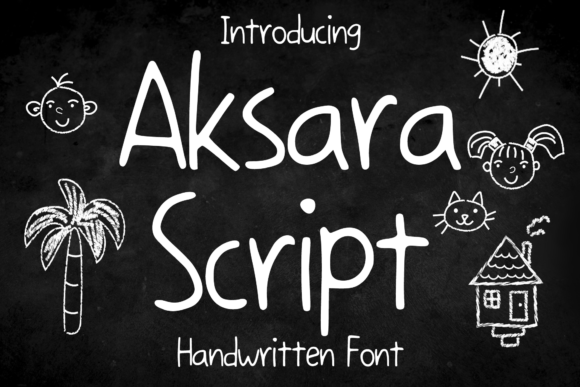
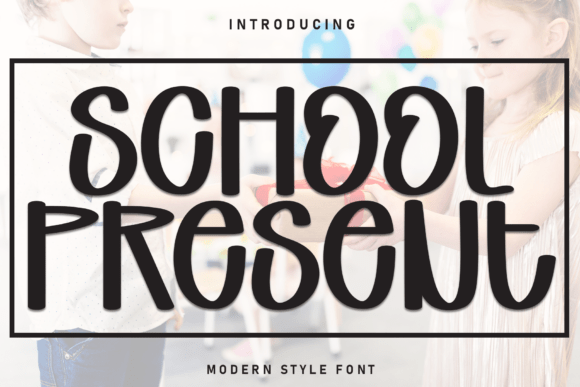
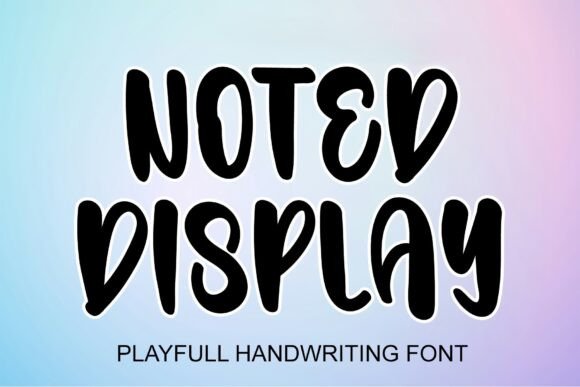
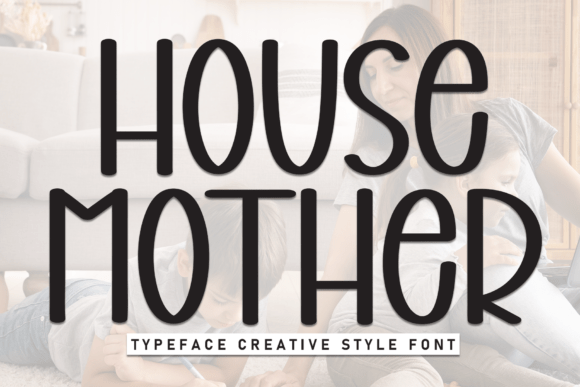
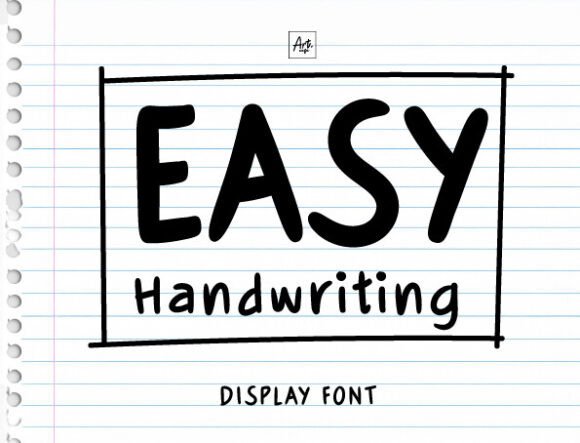
The core value proposition of Easy Handwriting lies in its effortless readability. It breathes a friendly air through familiar lines and curves reminiscent of joyous scribbles in a childhood diary, yet it boasts clean bold strokes that exude confidence. This duality makes it a potent tool for decision-makers who need to communicate warmth without appearing amateurish. When applied intentionally, this font serves as a visual cue that signals accessibility and human-centric values, directly influencing how audiences perceive messaging, pricing, and brand authority.
The Psychology of Legible Intimacy in Digital Spaces
Typography acts as the tone of voice for written content. While body copy demands neutrality, headlines and call-to-action elements require personality. Easy Handwriting functions strategically by reducing cognitive friction. The "handwritten" aesthetic triggers a psychological response associated with personal correspondence, lowering the reader’s defensive barriers against marketing messages. However, many handwritten fonts fail in digital environments due to poor spacing or inconsistent stroke weights. Easy Handwriting mitigates this risk through its bold, confident construction.
For professionals managing customer experience (CX), this distinction is critical. A font that looks messy suggests a disorganized business. Conversely, a font that is too rigid suggests a lack of empathy. Easy Handwriting occupies the strategic middle ground. Its immense readability ensures that the message is processed quickly, while the stylistic nuances convey the intended emotion. This balance supports goals related to engagement rates and time-on-page, as users are more likely to linger on content that feels personally addressed rather than broadcasted.
Strategic Use Cases for Headlines and Display Text
To maximize the return on investment when licensing or implementing Easy Handwriting, practitioners should restrict its use to high-impact areas where emotional connection drives conversion. It is rarely suitable for long-form body text or data-heavy tables. Instead, consider these targeted applications:
- Hero Section Headlines: Replace generic sans-serif headers with Easy Handwriting to immediately establish a boutique or personalized brand identity. This works exceptionally well for lifestyle brands, coaching services, and artisanal products.
- Email Marketing Subject Lines and Preheaders: In inbox environments where trust is scarce, a handwritten-style preview text can increase open rates by mimicking personal communication.
- Packaging and Unboxing Experiences: For e-commerce operators, using this font on thank-you cards or package inserts reinforces the "small business" narrative even at scale, enhancing post-purchase satisfaction.
- Social Media Overlays: The bold strokes ensure legibility against complex photographic backgrounds, making it ideal for Instagram carousels or Pinterest pins where quick information absorption is necessary.
- Testimonial Highlights: Formatting client quotes in Easy Handwriting visually validates them as genuine feedback rather than manufactured copy, leveraging social proof more effectively.
Aligning Typography with Business Goals and Positioning
Selecting Easy Handwriting should be a deliberate outcome of brand strategy, not a superficial decoration. Before implementation, evaluate whether the font aligns with your operational reality and market positioning. If your business model relies on clinical precision, institutional authority, or luxury exclusivity, this typeface may create cognitive dissonance. However, if your value proposition centers on mentorship, creativity, community, or bespoke service, Easy Handwriting reinforces your verbal messaging.
Consider the planning phase of a rebrand or campaign launch. Ask specific questions regarding the desired user outcome. Are you trying to make the user feel calm? Inspired? Understood? Easy Handwriting supports outcomes related to comfort and approachability. It is less effective for conveying urgency, alarm, or corporate stability. By mapping font choices to specific KPIs—such as reducing bounce rates on landing pages or increasing click-through rates on donation buttons—creators can move beyond subjective preference to objective performance measurement.
Risks of Misapplication and Contextual Failure
Even versatile assets carry risks when deployed without context. The primary danger with Easy Handwriting is overuse. Because it carries significant visual weight and personality, saturating a design with it leads to fatigue and diminishes its impact. When everything looks handwritten, nothing feels special. Furthermore, relying on this font for functional UI elements like navigation menus or form labels can impair usability, frustrating users and negatively affecting SEO metrics related to user interaction.
Another risk involves accessibility. While Easy Handwriting is noted for its clean bold strokes, all display fonts must be tested for WCAG compliance. Ensure sufficient contrast ratios and avoid using it for essential information that screen readers might struggle to interpret if rendered as images. Always provide alt text or HTML fallbacks. Additionally, consider cultural connotations; handwriting styles can sometimes be perceived as juvenile depending on the demographic. Testing with your specific audience segment is essential to ensure the "joyous scribble" aesthetic translates as professional warmth rather than immaturity.
Practical Implementation Guidelines for Professionals
Integrating Easy Handwriting into a design system requires technical and aesthetic discipline. To achieve the "relaxed charm" described in its profile while maintaining professional standards, adhere to the following operational guidelines:
- Pair with Neutral Sans-Serifs: Let Easy Handwriting be the protagonist. Pair it with highly legible, neutral typefaces like Inter, Roboto, or Open Sans for body copy. This contrast amplifies the display font's character while ensuring the overall layout remains functional.
- Mind the Hierarchy: Use size and weight variations strategically. Since Easy Handwriting already possesses bold strokes, avoid artificially bolding it further unless necessary for extreme scale. Rely on size differentials to guide the eye.
- Respect Whitespace: Handwritten fonts need room to breathe. Cramped spacing destroys the illusion of natural writing. Increase line-height and letter-spacing slightly more than you would for standard text to preserve the organic flow.
- Limit Color Palette: The texture of the font provides visual interest. Using multiple colors within the handwritten text creates noise. Stick to one high-contrast color for Easy Handwriting elements to maintain clarity.
- Test Across Devices: What looks confident on a desktop monitor may appear cluttered on mobile. Verify that the bold strokes do not bleed together at smaller sizes. Adjust CSS font-smoothing properties if rendering appears jagged on specific operating systems.
Evaluating Long-Term Value and Brand Consistency
Trends in typography cycle rapidly, but the human desire for connection remains constant. Easy Handwriting offers longevity because it is rooted in the universal experience of personal note-taking rather than a fleeting graphic design fad. For small business owners and freelancers building a personal brand, this consistency is valuable. It allows for visual evolution without alienating an existing audience.
When planning for long-term results, document the usage rules for Easy Handwriting in your brand guidelines. Define exactly when it is appropriate and when it is prohibited. This prevents scope creep where team members begin using the font for internal memos or inappropriate external communications. By treating typography as a governed asset rather than a free-for-all creative choice, organizations protect their brand equity. The goal is for the audience to eventually associate the specific cadence of Easy Handwriting with your unique value proposition, creating a subconscious anchor that aids recall and loyalty.
Ultimately, the decision to use Easy Handwriting should be grounded in a clear understanding of your audience's emotional needs and your business's communication objectives. It is a tool for humanizing digital interactions, but only when wielded with precision. By focusing on readability, strategic placement, and contextual relevance, professionals can harness the intimate power of this display font to build stronger relationships and drive meaningful outcomes. The relaxed charm is the hook; the strategic application is what converts that attention into lasting business value.