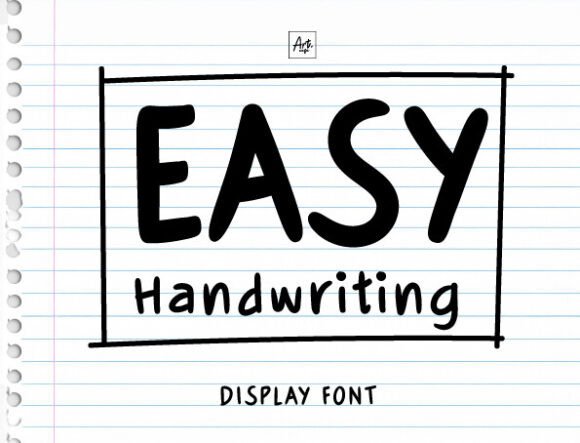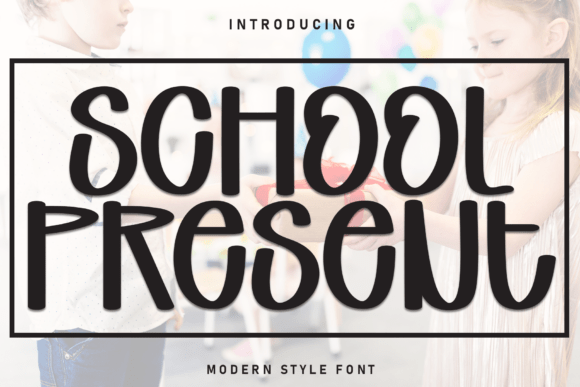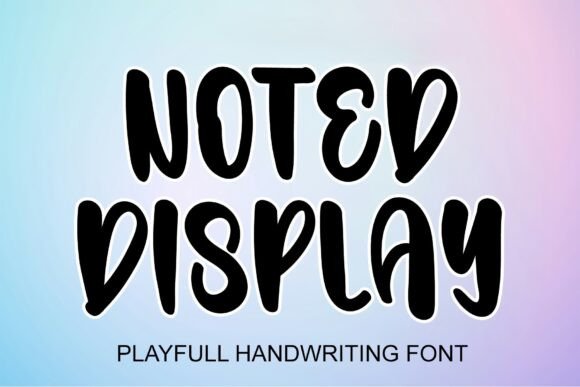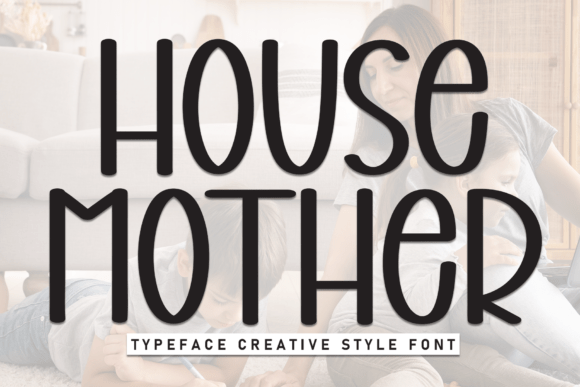
Aksara Script: Strategic Application for Authentic Brand Communication
Selecting the right typeface is rarely just an aesthetic choice; it is a fundamental business decision that influences how your audience perceives your message, values, and professionalism. Aksara Script represents a specific category of typography that bridges the gap between casual accessibility and refined design. Unlike rigid corporate serifs or overly decorative display fonts, Aksara Script offers a handwritten authenticity that feels personal yet polished. For entrepreneurs, educators, and creative professionals, understanding the strategic utility of this font family is essential for creating designs that resonate on a human level while maintaining commercial viability.
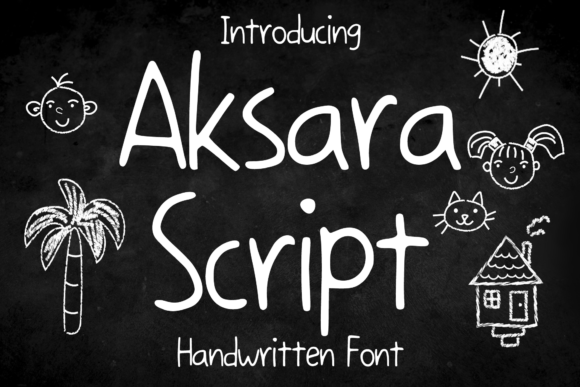
The primary value proposition of Aksara Script lies in its versatility as a daily-use pen font. It mimics the natural flow of handwriting without sacrificing legibility or structural integrity. This balance is critical for projects ranging from school assignments to commercial merchandise. When you integrate Aksara Script into your workflow, you are not merely choosing a "cool" font; you are selecting a communication tool designed to lower psychological barriers between the creator and the viewer. In an era of digital saturation, typography that suggests human touch can significantly improve engagement rates and brand recall.
Aligning Typography with Business and Creative Goals
Before applying Aksara Script to a project, it is necessary to define the specific outcome you intend to achieve. Typography should serve the strategy, not dictate it. For small business owners and marketers, this font excels in contexts where approachability is a key performance indicator. If your goal is to position a brand as friendly, artisanal, or youth-oriented, Aksara Script supports that positioning more effectively than standard sans-serif alternatives.
Consider the following strategic alignments when planning your design assets:
- Brand Humanization: Use Aksara Script in logos or taglines to soften corporate messaging. This is particularly effective for service-based businesses, coaching brands, or educational platforms where trust and personal connection drive conversions.
- Retail and Merchandise Appeal: For t-shirt designs, stickers, and physical products, the font’s inherent playfulness translates directly to consumer desire. It signals that a product is unique and curated rather than mass-produced.
- Educational Engagement: Teachers and content creators can use this typeface to make learning materials feel less intimidating. The pen-script style mirrors classroom aesthetics, making worksheets, slides, and book covers more inviting for students.
- Narrative Consistency: In comics and cartoon drawings, Aksara Script provides a cohesive voice for dialogue and captions. It maintains readability at smaller sizes while retaining the expressive quality required for storytelling.
By mapping the font’s characteristics to these specific goals, you move beyond subjective preference and toward intentional design execution. This ensures that every instance of Aksara Script contributes to a larger objective, whether that is increasing sales, improving learning outcomes, or strengthening brand identity.
Practical Applications Across Design Verticals
The adaptability of Aksara Script makes it a high-ROI asset for diverse creative workflows. However, maximizing its potential requires understanding its nuances across different mediums. What works for a magazine cover may require adjustment when applied to a sticker or a digital interface.
Commercial Branding and Packaging
In logo design, Aksara Script serves as an excellent primary or secondary typeface. Its fluid lines suggest movement and creativity, making it ideal for lifestyle brands, cafes, and creative agencies. When designing packaging or labels, the font adds a tactile quality that implies craftsmanship. For entrepreneurs launching physical products, this typographic choice can differentiate shelf presence against competitors using sterile, industrial typography. The key is to pair Aksara Script with a clean, neutral supporting font to ensure pricing and regulatory information remains instantly scannable.
Publishing and Editorial Design
For magazine covers, book jackets, and zines, Aksara Script functions as a powerful headline element. It draws the eye through contrast, especially when placed over photographic backgrounds or solid color blocks. In editorial layouts, use it sparingly for pull quotes, chapter titles, or sidebar headers. Overuse in body text will degrade readability and fatigue the reader. Strategically, treat Aksara Script as an accent instrument in your typographic orchestra—it provides melody and emotion, but the rhythm section (your body copy) must remain stable and functional.
Digital Content and Social Media
Social media graphics demand immediate visual impact. Aksara Script performs well in Instagram carousels, Pinterest pins, and YouTube thumbnails because its organic forms stand out in algorithmic feeds dominated by geometric shapes. For bloggers and influencers, using this font in templates creates a consistent visual signature that aids in audience recognition. Ensure that when used digitally, the file format preserves the font’s delicate strokes; rasterizing at low resolution can cause the pen-like details to pixelate or disappear.
Risk Management and Contextual Awareness
While Aksara Script is a robust tool, misapplication can undermine professional credibility. Understanding the risks associated with handwritten fonts is as important as knowing their benefits. Without clear guidelines, designers often fall into common pitfalls that dilute message clarity.
Legibility vs. Style Trade-offs: The most significant risk is prioritizing aesthetics over function. While Aksara Script is designed for readability, it is still a script. Avoid using it for long-form paragraphs, fine print, or critical data points. If a user has to squint to read a price, a date, or a safety warning, the design has failed regardless of how stylish it looks. Always test your designs at actual size and on target devices before finalizing production.
Tonal Dissonance: Context dictates appropriateness. Aksara Script conveys warmth, informality, and creativity. It is generally unsuitable for industries requiring high degrees of authority, severity, or tradition, such as legal services, luxury finance, or medical diagnostics. Using a playful pen font in these sectors can signal incompetence or a lack of seriousness. Conduct a tonal audit of your brand before adoption; if your core values are precision, exclusivity, or security, this typeface may create cognitive dissonance for your audience.
Licensing and Commercial Rights: For freelancers and business owners, verifying licensing is a non-negotiable operational step. "Free for personal use" does not equate to "free for commercial merchandise." Using Aksara Script on t-shirts or logos without proper commercial licensing exposes your business to legal liability. Always secure the appropriate license tier based on your intended distribution volume and medium. This protects your intellectual property and ensures ethical support for the type designer.
Strategic Integration and Long-Term Value
To derive lasting value from Aksara Script, integrate it into a broader design system rather than treating it as a standalone novelty. Sustainable design relies on consistency. Create a style guide that defines exactly when and how this font should be used within your organization or personal brand.
- Define Hierarchy Rules: Establish clear rules for heading levels. Perhaps Aksara Script is reserved exclusively for H1s and hero text, while H2s and body copy utilize a complementary sans-serif. Documenting this prevents ad-hoc decisions that lead to visual clutter.
- Create Asset Libraries: Pre-design templates for recurring needs like social posts, certificates, or product tags using Aksara Script. This increases productivity and ensures that team members or future collaborators apply the font correctly without needing constant supervision.
- Monitor Audience Feedback: Typography impacts perception, but perception is subjective. Track metrics related to designs featuring Aksara Script. Do click-through rates improve? Do customers comment on the packaging? Use qualitative and quantitative data to validate whether the font continues to serve your evolving goals.
- Plan for Scalability: As your project grows, your typographic needs may change. Aksara Script is excellent for early-stage branding and niche markets, but consider whether it will scale with you. Having a transition plan or a flexible pairing strategy ensures your visual identity can mature without requiring a complete rebrand.
Ultimately, Aksara Script is a facilitator of authentic communication. Its strength is not just in its curves and strokes, but in its ability to make designed objects feel lived-in and accessible. Whether you are crafting a comic book, launching a clothing line, or designing a curriculum, the thoughtful application of this typeface can elevate your work from generic to memorable. By approaching it with strategic intent—balancing creativity with usability, and expression with clarity—you transform a simple font choice into a competitive advantage. The most successful designs are those where every element, including typography, earns its place through purposeful contribution to the end goal.