Strong Editorial Display: Elevating High-Fashion Design
In the competitive landscape of visual communication, typography serves as the primary voice of a brand before a single word is read. For designers and marketers targeting luxury, fashion, and high-end editorial markets, the choice of typeface dictates the perceived value of the content. Strong Editorial Display emerges as a specialized tool in this context, offering a distinct high-contrast serif aesthetic that bridges classical elegance with contemporary sharpness. Understanding the specific utility of this font requires looking beyond its visual appeal to examine how its structural characteristics solve real design problems in premium branding and layout efficiency.
The Strategic Value of High-Contrast Serifs
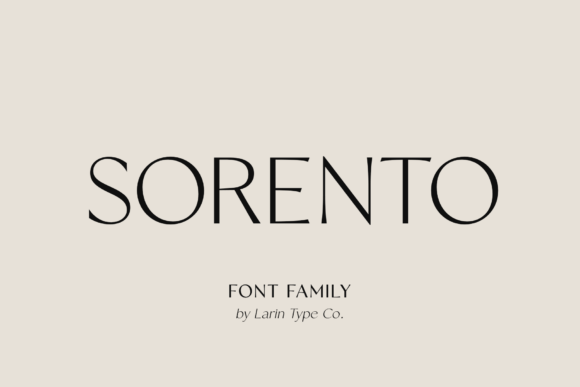
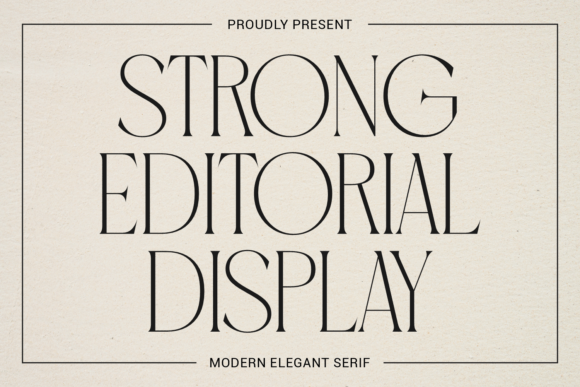
High-contrast serifs, characterized by extreme variation between thick vertical strokes and razor-thin horizontal lines, have long been associated with sophistication. However, many digital adaptations of these styles suffer from rendering issues or lack the necessary weight for modern screens. Strong Editorial Display addresses this gap by refining the delicate fine lines to maintain integrity across various media. For art directors and freelance designers, this reliability translates directly to workflow efficiency. Instead of spending hours adjusting stroke weights or applying artificial effects to achieve a luxurious feel, the font provides an out-of-the-box solution that maintains legibility while delivering the desired dramatic impact.
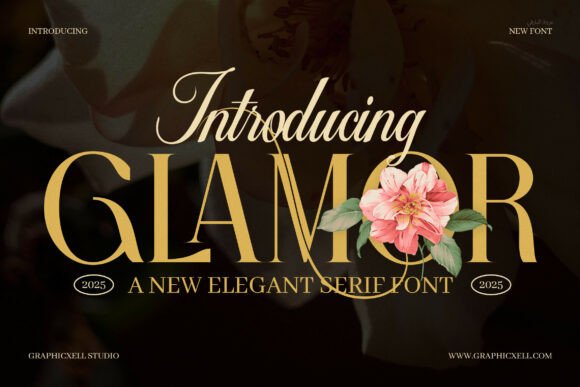
This specific typographic style performs a crucial psychological function in marketing. The tension created by the contrast signals exclusivity and attention to detail. When used in a promotional image for Strong Editorial Display, the font does not merely label the product; it embodies the quality the viewer expects to find within. For entrepreneurs launching beauty lines or fashion labels, utilizing this typeface can reduce the cognitive load on potential customers. The visual cue of a refined serif instantly categorizes the brand within the premium sector, allowing the accompanying copy to focus on features rather than establishing credibility.
Optimizing Layouts for Fashion and Beauty
The practical application of Strong Editorial Display shines brightest in environments where negative space is as important as the text itself. In high-fashion headlines, the font’s architecture allows for tight tracking and large point sizes without appearing heavy or cluttered. This is particularly beneficial for magazine covers, lookbooks, and hero sections on e-commerce sites. Designers often struggle to balance impactful headlines with clean imagery; the slender horizontals of this typeface allow text to overlay photographs without obscuring critical visual details of the clothing or product being featured.
- Hero Images: Use at 72pt or larger to create immediate focal points that guide the eye through complex photography.
- Pull Quotes: Leverage the high contrast to break up dense body text in long-form journalism, improving readability and pacing.
- Packaging Design: Utilize the refined serifs on cosmetic boxes or perfume bottles where limited surface area demands maximum elegance.
- Social Media Overlays: Apply to Instagram Stories or Pinterest pins where quick recognition of a luxury aesthetic drives engagement rates.
For content creators and bloggers in the lifestyle niche, consistency is key to building audience trust. Adopting Strong Editorial Display as a primary heading font creates a cohesive visual identity that distinguishes personal brands from generic templates. The font’s modern proportions ensure it pairs well with both minimalist sans-serif body text and traditional transitional serifs, simplifying the decision-making process when building style guides. This versatility supports creative exploration without requiring a complete rebrand when shifting content focus from travel to beauty or interior design.
Enhancing Communication Through Typographic Tone
Tone is often discussed in terms of copywriting, but visual tone carries equal weight in digital experiences. Strong Editorial Display communicates confidence and maturity, making it an excellent choice for professionals who need to convey authority without aggression. Educators, consultants, and thought leaders publishing white papers or course materials can use this font to soften academic density. The elegant curves introduce a human element to technical subjects, making complex information feel more accessible and less intimidating to adult learners aged 20–50.
However, effective communication also means knowing when not to use a display font. While Strong Editorial Display excels at capturing attention, its high contrast makes it unsuitable for extended reading or small-scale UI elements. Attempting to use it for body copy at 12pt will result in poor legibility and user frustration. Recognizing this limitation is part of professional competence. The font should be deployed strategically as a signpost, guiding users through content hierarchy rather than serving as the pavement. By reserving it for titles, captions, and accent elements, designers preserve its power and ensure the overall user experience remains functional.
Streamlining Creative Workflows for Freelancers
Time is the most valuable resource for freelancers and small business owners managing multiple client accounts. Selecting the right typeface early in a project prevents costly revisions later. Strong Editorial Display offers a predictable rendering behavior that reduces trial and error. Its comprehensive character set typically includes necessary ligatures and alternates that add bespoke flair without requiring custom lettering services. For a wedding stationer or event planner, having access to these built-in stylistic sets means delivering custom-looking invitations in a fraction of the time, directly impacting profitability and client satisfaction.
Furthermore, the font’s compatibility with standard design software ensures seamless collaboration. When sharing files with printers or web developers, using a robust, professionally engineered typeface minimizes technical glitches. Web designers will appreciate that the font’s vector outlines are optimized for screen rendering, reducing the need for extensive CSS hacks to prevent blurring on high-DPI displays. This technical stability allows creatives to focus on artistic composition rather than troubleshooting file formats, supporting a smoother path from concept to final delivery.
Evaluating Fit and Making Informed Decisions
While Strong Editorial Display is a powerful asset, it is not a universal solution. Professionals must evaluate whether its specific attributes align with their project goals. Brands aiming for a rugged, industrial, or playful aesthetic may find the font’s refinement counterproductive. Similarly, projects requiring high accessibility standards for visually impaired audiences should prioritize lower-contrast alternatives for critical information, reserving this typeface for decorative purposes only. Conducting A/B testing on landing pages can provide empirical data on how the target audience responds to this specific typographic voice compared to other options.
When comparing Strong Editorial Display against other high-contrast serifs like Bodoni or Didot, consider the specific nuance required. Traditional classifications often carry historical baggage or feel overly familiar. Strong Editorial Display offers a refreshed interpretation that feels current without being trendy. This distinction matters for brands seeking longevity. Investing in a typeface that balances timeless structure with modern execution protects the design from aging prematurely. For publishers and marketers planning campaigns that will span multiple seasons, this durability justifies the selection process and supports sustainable brand equity.
Ultimately, the value of any design tool lies in its ability to facilitate meaningful connections between the creator and the audience. Strong Editorial Display serves as a conduit for luxury, precision, and modern elegance, but only when applied with intention. By understanding its strengths in headline hierarchy, its psychological impact on consumer perception, and its technical limitations in body text, professionals can leverage this font to elevate their work beyond mere decoration. Whether crafting a high-fashion editorial spread or refining a boutique e-commerce experience, the thoughtful integration of this typeface transforms standard layouts into compelling visual narratives that resonate with discerning audiences.