Scholar Varsity: Integrating Classic Academic Typography into Modern Design Workflows
The Anatomy of Traditional Campus Aesthetics
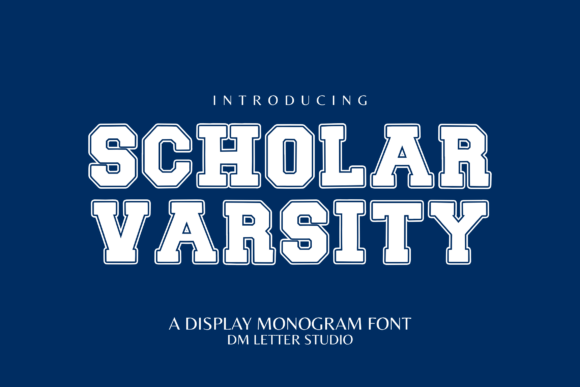
Typography serves as the visual voice of any institution, but few typefaces carry as much immediate cultural recognition as the varsity style. Scholar Varsity represents a specific niche within this category, offering a bold and structured college varsity font designed to bring that classic academic look to creative projects without sacrificing modern legibility. Unlike generic block letters that often suffer from poor spacing or outdated proportions, this typeface is engineered with sharp lines and blocky forms that maintain a clean all-caps layout. This structural integrity is what separates professional-grade academic typography from novelty fonts that fail in practical application.
The design philosophy behind Scholar Varsity centers on evoking the spirit of traditional school athletics and academia while ensuring compatibility with contemporary production methods. The strong, confident presence of the letterforms mirrors the iconic fonts seen on vintage letterman jackets, sports jerseys, and old-school campus signage. However, the vector precision allows it to function equally well in digital environments. For designers and educators, understanding the anatomical correctness of these slab serifs and heavy strokes is essential. The font does not merely imitate the past; it codifies the visual language of scholastic achievement into a versatile tool suitable for both retro nostalgia and modern institutional branding.
Strategic Applications Across Print and Digital Media
The versatility of Scholar Varsity extends far beyond simple team rosters. Its primary strength lies in its ability to anchor a design hierarchy across various mediums. When implementing this typeface, professionals should consider the specific context of the output to maximize readability and impact.
- Sports Apparel and Team Merchandise: The most traditional use case remains the most demanding. Whether applied to tackle twill for jerseys or embroidered patches for caps, the blocky forms of Scholar Varsity provide the necessary surface area for stitching and cutting. The sharp corners reduce fraying risks during embroidery digitization compared to softer, rounded alternatives.
- University Branding and Logos: Academic institutions often require typography that balances prestige with approachability. This font delivers timeless varsity style that feels established rather than trendy. It works exceptionally well for departmental logos, alumni association headers, and homecoming event branding where a sense of heritage is paramount.
- Graduation and Ceremony Collateral: From programs to banners, graduation merchandise requires high legibility at varying scales. The clean all-caps layout ensures that names, dates, and mottos remain readable even when printed on large-format foam boards or viewed from a distance in an auditorium.
- Social Media and Digital Graphics: In the realm of school-themed social media graphics, attention spans are short. Scholar Varsity offers the visual weight needed to stop the scroll. Its bold lettering creates natural contrast against photographic backgrounds, making it ideal for Instagram stories, Facebook event covers, and YouTube thumbnails featuring student athletes or academic milestones.
Optimizing for Crafters and Print-on-Demand Production
A significant portion of the user base for academic typography includes independent creators, Cricut enthusiasts, and print-on-demand (POD) business owners. For these users, technical compatibility is just as important as aesthetic appeal. Scholar Varsity offers the versatility and clarity needed for fabrication processes that rely on precise cut paths and ink coverage.
For vinyl cutting and heat transfer projects, the internal counters (the enclosed spaces within letters like 'A', 'B', and 'R') are designed to be sufficiently open. This prevents weeding difficulties and ensures that small details do not lift off the backing material during application. Many novelty varsity fonts fail here, featuring counters that are too tight for standard craft blades. By maintaining generous negative space, Scholar Varsity supports intricate layering techniques common in multi-color shirt designs.
In the POD sector, file preparation dictates product quality. Because this typeface features sharp lines and defined edges, it scales infinitely without aliasing artifacts. This is critical for direct-to-garment (DTG) printing, where fuzzy edges can result in muddy prints. Furthermore, the consistent baseline and cap height simplify the alignment process when creating gang sheets or positioning designs on curved surfaces like mugs and tumblers. Business owners selling collegiate-style gear can rely on this font to deliver professional results that meet customer expectations for crisp, authentic-looking apparel.
Typographic Pairing and Layout Hierarchy
While Scholar Varsity possesses a commanding presence, effective design rarely relies on a single typeface. The key to utilizing this font successfully lies in understanding how it interacts with complementary styles. Its bold, geometric nature demands contrast to create a balanced composition.
Pairing with Script Fonts: The most dynamic combination involves pairing Scholar Varsity with a fluid script or handwritten typeface. The rigidity of the varsity block letters provides a stable foundation, while the script adds movement and personality. This juxtaposition is particularly effective for wedding stationery with a collegiate theme, sorority recruitment flyers, and personalized gifts. The script softens the aggressive masculinity of the varsity font, broadening its appeal to diverse demographics.
Supporting Sans-Serif Body Copy: For posters, brochures, and web layouts, avoid using Scholar Varsity for extended body text. Its heavy weight and all-caps structure cause eye fatigue over long passages. Instead, utilize it strictly for headlines, subheads, and callouts. Pair it with a neutral, humanist sans-serif for informational text. The clean geometry of Scholar Varsity aligns well with modern grotesques, creating a cohesive system that guides the viewer’s eye from the bold headline down to the supporting details.
Color and Spacing Considerations: Due to the inherent density of blocky forms, tracking (letter-spacing) plays a crucial role. Tight tracking can make the text feel claustrophobic and aggressive, while excessive tracking can break the word shape. Finding the optical center is vital. Additionally, because the font is so structurally sound, it handles reverse type (white text on dark background) exceptionally well. This makes it a reliable choice for dark mode interfaces, navy blue athletic wear, and chalkboard-style graphics.
Navigating Licensing and Authenticity in Academic Design
When selecting typography for educational or athletic projects, one must distinguish between genuine varsity aesthetics and trademarked university property. Scholar Varsity occupies a valuable middle ground. It captures the essence of collegiate tradition without infringing on specific institutional trademarks. This distinction is critical for commercial designers and small businesses.
Using official university fonts without permission can lead to legal complications, especially for merchandise sold to the public. Scholar Varsity provides a safe, licensable alternative that still communicates "school spirit" effectively. It allows creators to produce generic academic content, fantasy league graphics, and non-affiliated school events with professional credibility. However, users must always verify their specific license tier. Personal use licenses typically cover hobbyist crafting and private gifts, while commercial licenses are required for selling products, client work, or organizational branding.
Beyond legalities, there is the matter of cultural authenticity. The varsity aesthetic is deeply rooted in American educational history. Using this style implies a connection to values of teamwork, discipline, and scholarly pursuit. Designers should ensure that the usage respects this heritage. Applying such a dignified typeface to inappropriate or frivolous content can create cognitive dissonance that undermines the design's effectiveness. When used respectfully and appropriately, Scholar Varsity serves as a powerful bridge between historical tradition and contemporary visual communication, validating its place in the modern designer’s toolkit.
Technical Implementation Checklist
To ensure optimal performance across different platforms, adhere to these technical best practices when working with this typeface:
- Convert to Outlines: Before sending files to print vendors or sharing editable source files, always convert Scholar Varsity text to outlines or curves. This prevents font substitution issues and preserves the sharp geometry of the letterforms.
- Mind the All-Caps Nature: Remember that this is a display face designed for uppercase usage. Typing in lowercase may yield unintended results or identical capital forms depending on the specific font file version. Use OpenType features if available to access alternate characters or ligatures.
- Test at Target Size: Always preview the design at the actual physical size it will be produced. What looks bold on a 27-inch monitor may appear thin on a business card or overwhelming on a yard sign. Physical prototyping is essential for apparel and signage.
- Check Kerning Pairs: While the font is structured, certain letter combinations (such as AV, AW, or TA) may require manual kerning adjustments to eliminate awkward triangular gaps. Consistent spacing is the hallmark of professional varsity typography.