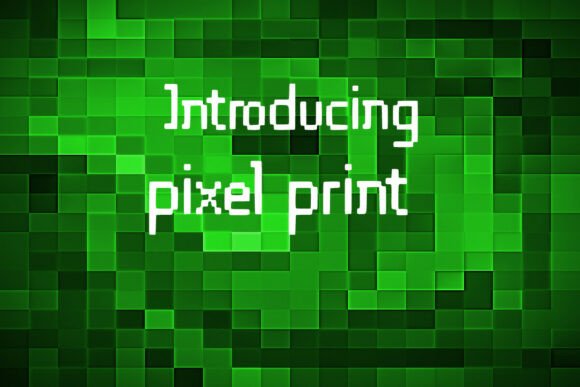
Pixel Print: Elevating Digital and Physical Design Through Retro Typography
In the evolving landscape of graphic design, typography serves as the foundational element that dictates tone, readability, and emotional resonance. While minimalist sans-serifs and elegant serifs have long dominated professional spaces, there is a distinct resurgence of stylized typefaces that bridge the gap between nostalgia and modern utility. Pixel Print stands at this intersection, offering a versatile aesthetic that transcends simple retro novelty. This typeface is not merely a callback to 8-bit computing; it is a functional design tool engineered for clarity, impact, and adaptability across both digital screens and physical fabrication.
The Functional Anatomy of Stylized Type
To understand why Pixel Print succeeds where other novelty fonts fail, one must examine its construction. Many pixelated typefaces suffer from poor legibility at small sizes or awkward spacing when scaled up for large-format printing. Pixel Print addresses these common pitfalls through deliberate geometric precision. The letterforms maintain consistent stroke weights and optimized counters, ensuring that the "pixel" effect remains crisp rather than muddy. This structural integrity allows designers to utilize the font in contexts where traditional display fonts might falter.
Furthermore, the versatility of this typeface lies in its neutrality. Unlike highly ornamental scripts or aggressive grunge fonts that dictate a specific mood, Pixel Print acts as a chameleon. It possesses an inherent playfulness suitable for children’s products, yet retains a technical precision appropriate for tech startups or gaming brands. This duality makes it a valuable asset in a designer's toolkit, reducing the need to license multiple niche fonts for different client verticals. The clean-cut nature of the glyphs ensures that even when used in dense magazine layouts or detailed instructional materials, the text remains accessible and engaging.
Optimizing for Physical Fabrication and Cricut Projects
One of the most significant advantages of Pixel Print is its compatibility with vector-based fabrication tools. For creators utilizing Cricut machines, Silhouette cutters, or laser engravers, font selection is often limited by physical constraints. Intricate serifs and thin hairlines frequently result in torn vinyl, burnt edges, or weeding nightmares. Pixel Print’s blocky, solid construction eliminates these friction points entirely.
- Vinyl Weeding Efficiency: The positive space within each letter is substantial enough to prevent tearing during the weeding process, making it ideal for intricate t-shirt designs and decals.
- Laser Engraving Clarity: When etched onto wood or acrylic, the uniform lines produce consistent burn depths, avoiding the uneven shading common with variable-width fonts.
- Embroidery Digitizing: The straight lines and right angles translate seamlessly into stitch patterns, reducing thread breaks and puckering on fabric substrates.
- Sticker Durability: Bold edges resist peeling and lifting over time, extending the lifespan of laptop stickers, water bottle decals, and product labels.
For hobbyists and small business owners producing physical goods, this reliability translates directly to reduced waste and higher production efficiency. The font’s architecture supports the practical realities of manufacturing, proving that aesthetic appeal and industrial functionality are not mutually exclusive.
Digital Applications and Screen Legibility
While rooted in physical craft, Pixel Print excels in the digital realm where screen resolution varies wildly. In web design and social media content creation, readability is paramount. The font’s high x-height and open apertures ensure legibility on mobile devices, where pixel density can sometimes render stylized text indistinct. This makes it particularly effective for UI elements, button labels, and headers in gaming interfaces or creative portfolios.
Social media managers find particular value in this typeface for creating scroll-stopping graphics. Platforms like Instagram and TikTok favor bold, instantly recognizable text overlays. Pixel Print provides the visual weight necessary to capture attention in a crowded feed without sacrificing brand sophistication. When paired with vibrant color palettes or kinetic typography animations, the font adds a layer of texture that flat, standard system fonts cannot achieve. Its SVG compatibility further enhances its digital utility, allowing for infinite scaling in responsive web designs and app interfaces without loss of quality or introduction of aliasing artifacts.
Strategic Brand Identity and Emotional Connection
Typography is a primary vehicle for brand storytelling. Choosing Pixel Print signals a specific set of values: innovation grounded in history, approachability, and creative confidence. For businesses targeting Millennials and Gen Z, the font taps into a collective cultural memory of early digital experiences, evoking feelings of comfort and authenticity. However, its application extends beyond generational nostalgia.
Educators and researchers utilizing this font in presentations or publications can leverage its engaging style to make dense information more digestible. In academic posters or conference materials, headings set in Pixel Print can serve as visual anchors, guiding the viewer’s eye through complex data sets. Similarly, greeting card designers use the typeface to add a contemporary charm to sentimental messages, moving away from cliché calligraphy toward something that feels personal and current. The font empowers creators to establish a memorable impression because it balances familiarity with distinctiveness, ensuring the message is felt as deeply as it is read.
Technical Considerations for Professional Implementation
Maximizing the potential of Pixel Print requires adherence to best practices in typesetting and file management. Professionals should treat this font with the same rigor applied to any commercial typeface. Proper kerning and tracking adjustments are essential; while the monospaced aesthetic is part of the charm, optical corrections may be necessary for specific word combinations to prevent visual gaps or collisions.
When preparing files for print or cut, always verify the licensing terms for commercial use and ensure you are working with legitimate source files. Converting text to outlines or paths before sending to production vendors prevents font substitution errors, though keeping editable text layers in master files preserves future flexibility. For SVG workflows, simplifying paths can reduce file size and improve rendering performance in cutting software. Additionally, considering contrast ratios is vital for accessibility; despite its stylized nature, Pixel Print must meet WCAG guidelines when used for body text or critical navigation elements in digital environments.
- Hierarchy Management: Use Pixel Print primarily for display purposes (H1-H3). Pair it with a neutral sans-serif for body copy to maintain readability and prevent visual fatigue.
- Color Interaction: Test the font against various background colors. High-contrast combinations enhance the pixel definition, while low-contrast pairings can soften the retro edge for a more subtle effect.
- Scale Testing: Always preview designs at actual output size. What looks bold on a 27-inch monitor may appear too delicate on a business card or too heavy on a billboard.
- Format Selection: Utilize OTF or TTF formats for desktop publishing and print. Reserve SVG formats specifically for web, apps, and cutting machines to ensure optimal performance in each medium.
Cross-Media Consistency and Workflow Integration
A significant challenge in modern design is maintaining visual consistency across disparate mediums. A brand identity that looks stunning on a website may lose its character when embroidered on a polo shirt or printed on a matte paper flyer. Pixel Print facilitates cross-media cohesion because its core geometry is robust enough to survive translation between pixels and physical matter. Designers can create a unified visual language where the digital and physical touchpoints reinforce one another rather than competing.
This consistency builds trust and recognition. When a customer sees a social media post featuring Pixel Print and later receives packaging with the same typographic treatment, the connection is immediate. For educators creating curriculum materials, this means worksheets, slides, and classroom signage share a cohesive look that aids in cognitive processing. The font becomes a thread connecting various aspects of the user experience, demonstrating that thoughtful typography is not just about decoration, but about systemic communication.
Ultimately, the enduring relevance of Pixel Print lies in its ability to serve diverse needs without compromising its identity. It respects the technical requirements of makers and the aesthetic demands of art directors equally. By understanding its structural strengths, fabrication benefits, and strategic applications, creators can move beyond treating it as a novelty and instead leverage it as a sophisticated instrument for visual expression. Whether crafting a commanding brand identity, designing an alluring sticker, or laying out an engaging magazine spread, this typeface offers a reliable path to creating work that resonates, functions, and endures.