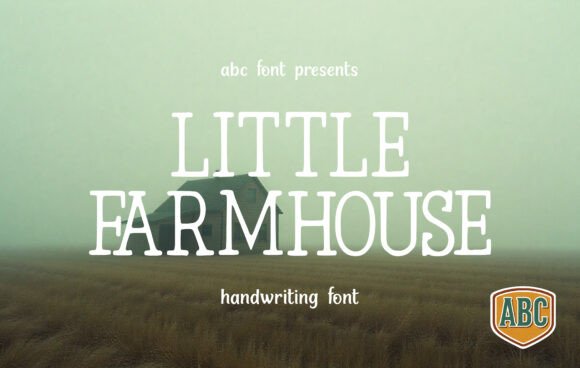
Little Farmhouse: Rustic Serif Charm for Authentic Design
There is a distinct texture to nostalgia that digital design often struggles to replicate. We see countless clean, geometric sans serifs dominating modern interfaces, but when a project demands warmth, heritage, and tactile authenticity, those polished lines can feel sterile. This is where Little Farmhouse steps in. It isn’t just another vintage-inspired typeface; it is a deliberate exercise in rugged elegance. As a serif font with a hand-stamped quality, it carries the visual weight of weathered barn wood and handmade signage without sacrificing legibility or professional structure.
For designers and business owners navigating the cottagecore aesthetic or organic branding space, finding a creative font that feels genuine rather than costumey is a challenge. Little Farmhouse bridges that gap. It offers a sturdy, friendly character that suggests reliability and tradition. Whether you are designing packaging for an artisanal bakery or laying out a rustic wedding invitation suite, this typeface provides the "home-grown" foundation necessary to make your brand identity feel established and trustworthy from day one.
The Anatomy of Rugged Elegance
Understanding why Little Farmhouse works requires looking beyond the "farmhouse" label. Visually, it operates as a display font with strong editorial roots. The letterforms feature irregular edges and subtle ink traps that mimic the imperfections of analog printing methods. These aren't random distortions; they are carefully crafted details that reduce the digital sharpness of vector graphics. When viewed on screen or printed on textured paper, these nuances create a subconscious association with craftsmanship.
The personality of this serif style is inherently grounded. Unlike high-contrast fashion serifs that whisper luxury, Little Farmhouse speaks in a conversational, earthy tone. It has enough x-height to remain approachable, yet possesses the structural integrity needed for headlines and logos. This balance makes it exceptionally versatile for modern typography projects that need to evoke history without looking outdated. It avoids the overly distressed look that plagues many free fonts, maintaining a premium font standard suitable for commercial use where clarity and brand recognition are paramount.
Strategic Applications Across Media
Versatility is the hallmark of any essential design asset. While Little Farmhouse shines in obvious niches like farmhouse-style home decor and organic food packaging, its utility extends much further. Consider the following practical applications where this typeface adds tangible value:
- Artisanal Packaging Design: For coffee roasters, honey producers, or skincare brands, the font’s texture communicates natural ingredients and small-batch production better than a glossy, modern sans serif ever could.
- Hospitality Brand Identity: Boutique hotels, bed and breakfasts, and farm-to-table restaurants benefit from the immediate sense of welcome and tradition the typeface establishes in logo design and wayfinding signage.
- Editorial and Publishing: In book cover design or magazine layouts focused on gardening, cooking, or sustainable living, it serves as a compelling headline font that draws readers in while setting the thematic tone.
- Social Media Graphics: Content creators in the DIY, crafting, or homesteading spaces can use this font to create thumb-stopping visuals that align with their audience's appreciation for slow living and handmade goods.
- Event Stationery: Beyond weddings, this typeface elevates save-the-dates, festival posters, and community market flyers by adding a layer of curated charm that feels personal and intentional.
Mastering Font Pairing and Visual Hierarchy
A typeface rarely exists in isolation. The success of Little Farmhouse in a layout depends heavily on what sits beside it. Because this serif carries significant visual texture and personality, it generally functions best as the primary voice—the headline, the logo, or the pull quote. Pairing it with another highly decorative handwritten font often leads to visual clutter and readability issues. Instead, aim for contrast to establish a clear visual hierarchy.
For body copy, a clean, neutral sans serif font is usually the strongest partner. Typefaces with open apertures and uniform stroke widths provide a resting place for the eye, allowing the rustic charm of Little Farmhouse to shine without overwhelming the reader. If your project leans more traditional, a simple, low-contrast serif can also work well for extended reading, provided there is sufficient size differentiation between the header and body text. For accent elements or signatures within a layout, a delicate script font can add a human touch that complements the sturdiness of the main typeface, creating a balanced, heritage-inspired look that feels cohesive rather than chaotic.
Evaluating Fit and Readability
Before committing to Little Farmhouse for a major branding project or commercial release, conduct a thorough evaluation of its performance in context. Aesthetic appeal must always be secondary to function. Test the font at various sizes; while it excels as a display typeface, ensure it remains legible at smaller scales if you intend to use it for subheads or captions. On digital platforms, verify how the textured edges render on different screens. High-resolution displays typically handle these details beautifully, but lower-resolution monitors may cause the fine imperfections to blur or pixelate.
Consider the emotional alignment with your target audience. Does your brand voice match the font’s inherent warmth? A tech startup or financial firm might find the rustic connotations conflicting with their message of innovation and precision. However, for businesses built on sustainability, community, and craft, this alignment is a powerful asset. Always review the licensing terms carefully. Ensure the commercial font license covers your specific intended uses, whether that includes web embedding, app usage, or merchandise production. Investing in the correct license protects your brand and supports the type designer’s continued creation of quality design assets.
Ultimately, Little Farmhouse is more than a stylistic choice; it is a communication tool. It signals to your audience that you value tradition, quality, and the human element in an increasingly automated world. By understanding its strengths, pairing it thoughtfully, and applying it with intention, you transform a simple typographic selection into a cornerstone of a memorable, authentic brand experience. Whether stamped on a kraft paper bag or glowing softly on a website header, it brings the countryside’s enduring appeal directly into your design work.