Cropor: Elevating Tech, AI, and Sci-Fi Design Projects
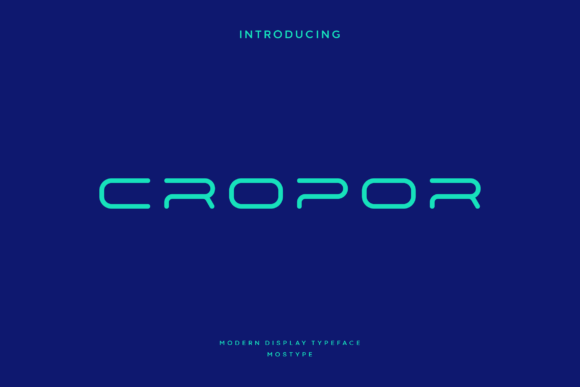
When you are building a brand identity for an artificial intelligence startup or designing the cover for a cyberpunk novel, standard sans-serif fonts often feel too safe. They communicate clarity, but they rarely communicate innovation. This is where Cropor enters the workflow. It is a typeface specifically engineered to bridge the gap between technical precision and futuristic aesthetics. Rather than being a novelty font that sacrifices readability for style, Cropor maintains functional legibility while injecting a distinct sense of digital sophistication into your layout.
For designers, marketers, and creators working in technology sectors, typography is not just about reading text; it is about signaling context. When a user lands on a robotics landing page or picks up a sci-fi publication, the font choice subconsciously confirms they are in the right place. Cropor serves as that visual confirmation. Its geometric structure and modern detailing make it an ideal candidate for projects that need to look forward-thinking without appearing chaotic or illegible.
Defining the Aesthetic for Digital Innovation
Cropor is best understood as a tool for thematic alignment. It features clean lines and calculated spacing that evoke circuitry, code, and advanced manufacturing. However, unlike many "tech" fonts that rely heavily on glitch effects or distressed textures, Cropor remains polished. This distinction matters because professional tech companies need to project reliability alongside innovation. You want your audience to trust your AI algorithm or your financial tech platform, not just be dazzled by it.
The typeface works exceptionally well in high-contrast environments. If you are designing dark-mode interfaces or neon-accented promotional materials, Cropor holds its weight. The letterforms are constructed to remain distinct even when backlit or displayed against complex background imagery. This makes it a practical choice for digital signage at tech conferences, HUD (Heads-Up Display) overlays in video content, or sleek mobile app interfaces where screen real estate is limited but impact is mandatory.
Practical Applications in Branding and Marketing
Entrepreneurs and small business owners in the tech space often struggle to differentiate their visual identity from competitors who all seem to use the same three popular geometric sans-serifs. Using Cropor for logotypes, wordmarks, and primary headlines offers an immediate point of differentiation. It suggests that the company is niche-focused and detail-oriented.
Consider a marketing campaign for a new smart home device. Using a traditional serif might imply luxury but miss the technological aspect. Using a generic sans-serif might imply utility but miss the excitement. Cropor sits in the sweet spot, suggesting that the product is both a premium lifestyle upgrade and a piece of cutting-edge engineering. This versatility extends to social media graphics, where thumbnail text needs to be punchy and instantly recognizable as tech-related content amidst a crowded feed.
- SaaS Landing Pages: Use Cropor for H1 and H2 headers to establish a modern tone, pairing it with a neutral body font like Inter or Roboto for long-form explanations.
- Pitch Decks: Investors see hundreds of decks. Cropor helps title slides stand out visually, reinforcing the narrative that your solution is next-generation.
- Product Packaging: For consumer electronics, the font adds a tactile sense of quality and futurism to unboxing experiences and retail displays.
- Event Signage: Hackathons, expos, and product launches benefit from wayfinding and stage graphics that reinforce the event’s innovative theme.
Enhancing Sci-Fi Literature and Creative Media
Authors, publishers, and indie creators face a unique challenge: conveying a specific sub-genre through cover art alone. Cropor has found a strong niche in speculative fiction, particularly within cyberpunk, space opera, and hard science fiction. The font’s architectural quality mirrors the world-building found in these genres. It looks like it belongs on the hull of a spaceship or the interface of a dystopian government terminal.
Beyond book covers, content creators on platforms like YouTube and Twitch utilize Cropor for stream overlays and video essays focused on futurism or gaming. In these contexts, the font acts as part of the set design. It reinforces the creator's expertise and immersion in the topic. For self-published authors creating interior layouts, Cropor can be used sparingly for chapter titles or section breaks to maintain thematic consistency without fatiguing the reader during extended reading sessions.
Educational and Instructional Design Contexts
Educators and instructional designers teaching STEM subjects, coding, or digital arts can leverage Cropor to make learning materials feel more relevant to industry standards. Textbooks and slide decks that look outdated can disengage students who associate technology with modern aesthetics. By using Cropor for module titles, key terminology callouts, or diagram labels, educators signal that the curriculum is current and aligned with professional practices.
This application requires restraint. In educational settings, accessibility is paramount. Cropor should serve as a navigational aid or emphasis tool rather than the primary vehicle for dense information. When used correctly, it helps chunk information visually, making complex technical concepts feel more approachable and organized. It transforms a dry manual into a polished resource guide.
Strategic Pairing and Hierarchy
One of the most common questions regarding specialized display fonts is how to pair them effectively. Cropor has a strong personality, which means it generally performs best when anchored by a quieter supporting typeface. For UI/UX designers, pairing Cropor with a highly legible humanist sans-serif for body copy ensures that the futuristic flair does not compromise user experience. The contrast between the stylized header and the functional body text creates a dynamic visual rhythm that guides the eye naturally down the page.
In print media, such as brochures for robotics firms or festival programs for film conventions, consider pairing Cropor with a monospaced font for data tables or technical specifications. This combination reinforces the "engineered" aesthetic while maintaining clear information hierarchy. The goal is always to enhance communication, not to obscure it behind stylistic choices.
Considerations Before Implementation
Before integrating Cropor into your next project, evaluate the specific emotional response you need to elicit. While it excels at conveying innovation and futurism, it may not be the right fit for brands prioritizing warmth, tradition, or organic sustainability. A holistic health app or a heritage bakery would likely find the font’s sharp geometry alienating. Contextual awareness prevents design mismatches that confuse audiences.
Licensing is another critical practical consideration. Always verify whether your intended use falls under desktop, webfont, or app licensing categories. Commercial projects, especially those involving embedded software or large-scale advertising, may require specific tiers. Checking these details upfront avoids legal complications later. Additionally, test the font across different devices and browsers early in the design process. While Cropor is designed for digital clarity, rendering engines vary, and you need to ensure the sophisticated details remain crisp on everything from a 4K monitor to a budget smartphone.
Finally, consider the longevity of the design. Futuristic trends cycle quickly. What looks cutting-edge today can look dated in five years. Cropor’s reliance on fundamental geometric principles rather than fleeting stylistic gimmicks gives it better staying power than many novelty tech fonts. However, if you are designing a brand identity meant to last decades, plan for periodic reviews to ensure the typography continues to align with evolving industry standards. Used thoughtfully, Cropor is more than a decorative element; it is a strategic asset for communicating progress, precision, and possibility in an increasingly digital world.